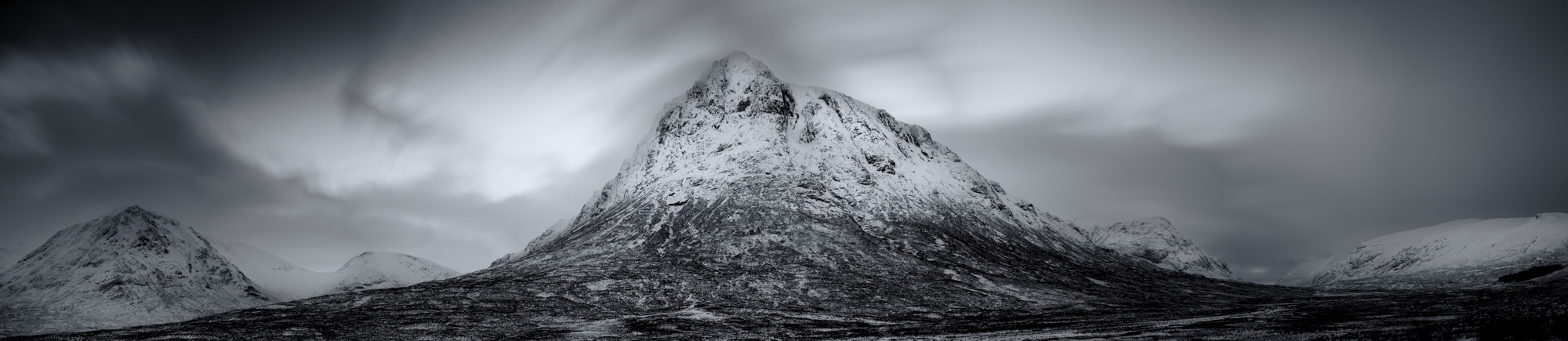
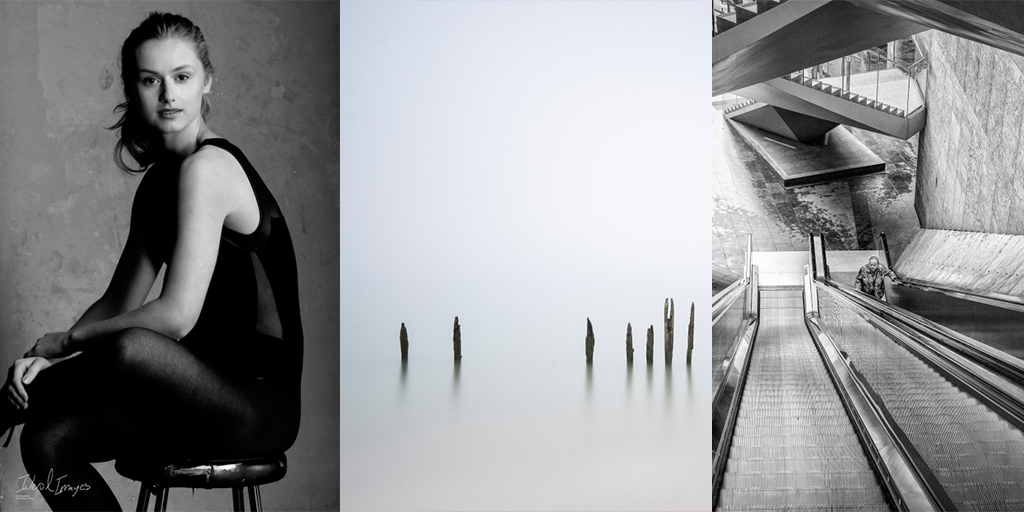
Landscape / Cityscape / Seascape

Adventuring with Mother Nature and X Series

X-Photographer strip

By Daniel Malikyar

From the moment I truly began to pursue photography, I strived to distinguish my work from the millions of images flooding digital media across the world. In doing so, I’ve always been an advocate of doing whatever it takes to get the shot. Whether that means hiking a treacherous mountainside all night to capture the beauty of first light from an unseen perspective, or hanging from an abandoned bridge 2,000 feet above the ground, capturing timeless moments are what I live for. Through my experiences, I have learned that photography is a key factor in the difference between being alive, and actually living. Abiding by this principle, I set out on road trip from Los Angeles to Seattle accompanied by two talented friends and an arsenal of Fujifilm X Series gear.DSCF7316We left LA for Oregon on a Tuesday afternoon, and after a brutal sleepless 16-hour road trip, we made it to our first destination – Abiqua Falls. Fortunately our car for the trip was a 4WD Jeep, and allowed us to take the mile long off-road path to the trailhead for the falls. With tattered sneakers accompanied by a light rainfall, I ventured through Oregon’s lush landscape for my first time. The abundance of massive trees and greenery were like nothing I had ever seen before. The hike down to the river was pretty intimidating, and required you to scale down a lengthy and steep hillside that was only accessible by a rope tied to an old tree at the top. I went first, and discovered that the last hundred meters of the slippery, muddy terrain had no support rope. After my first step I went down with no control, and slid for about a hundred feet, ruining my clothes and scratching up my hands in the process. Nevertheless, we all made it down eventually and hiked alongside the river to our destination. I had never seen Abiqua Falls, so when we turned the corner that revealed it’s jaw-dropping beauty I was in awe.DSCF7013The picturesque landscape was surreal, and I immediately began planning out the perspectives I wanted to capture in order to do it justice. What I didn’t realize was how difficult the blistering backwash from the water crashing to the surface made it to snap a photograph without drenching the camera lens. The remarkable durability and weather-resistance of the X-T1 matched by the speed, precision, and quality of the XF10-24mmF4 R OIS conquered the conditions, and allowed me to capture my experience before the backwash fogged up the lens. From Abiqua, we drove through the countryside to two of Oregon’s most iconic waterfalls, Multnomah and Latourell. These two were conveniently located very close to one another, and neither required a difficult hike to get to. Their overwhelming size was a humbling reminder of the power of Mother Nature, and gave me a challenge to capture them true to scale. Running on no sleep in almost 48 hours, we left the falls and enjoyed the hospitality of a friend and Oregon local, who took us to a famous Portland brewery before getting a couple hours of rest to continue on our photographic journey.DSCF7041Several hours of sleep, a warm shower, and a cup of coffee later we were on the road again… this time headed towards Washington. We got up before sunrise to capture first light from the Rowena Crest. The dynamic range on the X-T1 did Rowena justice by capturing all the tones and colors of the current season. After a brief session at Rowena, we drove straight to Olympic National Park. We encountered wildlife along the way, including a bear and bison. It was my first time seeing such large animals up close, and thanks to compact size of the X-T1 I was able to take it out of my pocket in time to capture the moment. Olympic National Park had otherworldly nature-filled roads whose cinematic foregrounds looked like something out of Planet of the Apes. With the help of the XF16mmF1.4 R WR lens, I was able to capture the detail of the nature before me.DSCF7291After exploring through Olympic, we returned to the hospitality of a friend’s home in Seattle, anxious for the adventures that were to come the next day. After a few more hours of sleep we set off to catch the infamous abandoned railroad known as Vance Creek Bridge for sunrise. Vance Creek is very dangerous if you’re not careful, and trespassers of the area are given a hefty fine if caught by authorities. This didn’t stop us; we were determined to get to the bridge and get our shots as quickly as possible. Running on minimal sleep, the excitement of visiting Vance eliminated any sense of fatigue and gave us motivation to get through the hike to find one of the most amazing abandoned locations I had ever seen. I cautiously maneuvered all the way across the bridge, and after documenting every angle I could, I hung my body off the edge of the bridge to capture the vertigo-induced lookdown perspective that is seen throughout most of my travels.DSCF7374This image gives me a sense of conquering that location, and I strategically waited until I was done shooting to make my mark with the widest lens of my kit, the XF10-24mm. After leaving Vance Creek without any issues, we headed back to Seattle to take on the skies of the city in an R44 helicopter with Classic Helicopters. While I’ve had helicopter shoots across several cities in many different conditions, it was my first time shooting in harsh light, and in an unfamiliar city. Nevertheless the X-T1 and XF10-24mm combo proved their worth, showcasing the very impressive speed and accuracy of the auto-focus feature. About an hour after the flight concluded, the sun had set, signifying the end to an amazing few days spent with friends shooting in new environments with an awesome camera system. We returned to our friend’s house to catch some sleep before we set off on a 20 hour road trip back to Los Angeles.

In addition to my Pacific Northwest road trip, I also had the pleasure of shooting with Fujifilm X Series gear this past December in the winter wonderland that is Alberta, Canada. The camera withstood unbearably low temperatures, snow, and everything in between. I even hung my body out of the car at 100kmh in -20 degree weather to capture a symmetrical road shot during sunset on the way home from our final day, which consisted of a trip to Yoho National Park to capture a direct vantage point of an endless blue river. Although my winter hat flew of my head and my face turned bright red from the extreme temperature and heavy wind, the camera gear had no issues withstanding the harsh conditions and delivering excellent quality images.

In conclusion, the most valuable aspect of traveling for me has always been capturing my experiences. In doing so, I’m able to make my memories timeless and share them with the world. With the help of Fujifilm’s cutting edge X-T1 system and expansive Fujinon XF lens lineup, I was able to document my recent travels throughout Alberta, Canada and the Pacific Northwest. The durability of this mirrorless camera is incredible. The compact size and endless internal capabilities of the X-T1 also set it apart from any camera I’ve used before. One of my favorite design aspects is the moveable LCD; this made it much easier to shoot reflections and difficult perspectives that cannot be seen through a viewfinder. The XF lenses are also very impressive. Their power and design compliment the body by providing lightning-fast images of excellent quality, color and sharpness. The auto-focus feature is also remarkably consistent and accurate across all subjects, and allowed me to make the most of every rare photo opportunity Mother Nature presented along these two trips. I’m very grateful for the opportunity to work with Fujifilm’s X Series gear, and I highly recommend it to all photographers looking to take their work to the next level with a conveniently sized, sleekly designed system.

My goal? To never use RAW processing again.

By Camille McMillan

I used to love the magic of the dark room, the processing of the film, the image appearing on the paper in the chemistry.  I have never found that magic with Capture One or any form of RAW processing.

Transparency film that was always a magic experience, dropping the film at the lab and wait the hour ( back in the day ) and there would be the magic object in your hand.

I cut my teeth on E6 ( Tranny ). E6 taught me how to expose and the importance of understanding what a 3rd of a stop can do to an image.

Using my old school knowledge, I now put it to work by getting the final image straight out of camera (SOOC) with my Fujifilm digital system.

_DSF3462

There is a walk near my house which is a 3 hour loop that I intend to walk regularly. I’m intending to revisit the same locations as the seasons change. This particular walk is a kind of recce… once I have walked it a few times I will know the places I wish revisit again and again.


“This day in March was not a dynamic day in terms of light… it was overcast, fog and cloud coming in, the smell on impending snow and that blank white-box sky”


For the walk I explored the B&W + R film simulation mode as I didn’t want colours distracting from the shapes & forms.

I set the camera to sharp +1, highlight +2, shadow +2 and on the compensation dial -1/3rd; an old E6 habit that still holds true with jpegs and my approach to photography.

Maybe I’m lazy, perhaps impatient… but my spot metering days are long gone with my old Leica, I now shoot with a Matrix exposure instead.

Using a 3rd of a stop pull with the compensation dial is normally enough to hit the ‘correct’ exposure, but the 3rd of a stop bracket makes for 3 very different ‘moods’ of image

This means the image on the left is actually the cameras “correct” exposure. I’m bracketing everything under the ‘correct ‘ exposure….

For me, none of the images are wrong in terms of exposure, it’s all subjective and each has a very different mood and feel.

Left – The cameras ‘correct’ exposure feels very ethereal in the mist, probably a more commercial image than the other two, but the image is not as strong in terms of forms.

Middle – My ‘correct’ exposure is good with the foreground detail, plenty of details in the shadow.. but I’m leaning towards the one on the right

Right – This image is full of shadow, details in the trees are being lost… there is however more texture in the middle greys, the middle distance. The tree trunks in the middle ground bring out the vertical lines.


“Image right is the finished image… no processing required.”


This was my approach with the entire walk – looking for textures, strong lines, old roads and man made marks in nature.

_DSF3568

Most of my work now is in 1:1 or 16:9. The square goes way back to Bronica and Hasselblad days, the 16:9 has only been a year or so, I’m still training my eye to see in that view ratio.

I love the freedom of going between the two formats.  As we all know, the X100T is fixed focal length, but with the use of 1:1 and 16:9 I am in effect using two focal length lens ( kind of ).

Because of the crop, the square is giving me a kind of 50mm feel ( if not focal distance, that’s what my feet are for, moving back and forth )

The 16:9 feels wider than 35mm and has that very cinematic feel to it.

Somehow the two aspect ratios work better together as a body of work than squares and 3 :2 ( traditional 35mm )

I did the walk one week later using colour, and in that walk I used ISO bracketing instead …. but that’s a whole other blog..

_DSF3847
Classic Chrome, -1/3 of a stop, sharp +1 highlight +2 shadow +2

Stretch yourself – by Paul Sanders

3

by Paul Sanders

paul sanders mugshotThere are many times that using a wide angle or telephoto lens just won’t get the results you want. They’re either too wide or too tight but you know in your heart that your viewpoint is correct.

It’s frustrating and causes many photographers to give up and go home without a shot they’re happy with. However you should persevere and with the introduction of photo-stitching software built into Lightroom and Photoshop you should try the third option which is to shoot a stitched panorama.

By stitching together individual images you can render your scene in greater detail and make extremely large prints without the image breaking up.

For those who want a bit of background early examples of a panorama include the Bayeux Tapestry, at nearly 70 meters in length it’ll take some stitching to get a photograph that will rival that!

I’ve shot panoramas for a number of years and find the discipline fascinating. The normal guidelines of composition do apply, but they also don’t – you have much more area for the viewer to explore, more details being captured and there can be cameo roles for people in the different areas of the image. These all come together to create a story or feeling that literally absorbs the viewer – well that’s the idea anyway!

To shoot your very own panoramic image:

Firstly, if you can – use a tripod

It’ll make stitching the images together far more straightforward. Make sure your tripod is level too – most come with a spirit level but luckily most of the Fuji X series have horizon levels built in. If you press the display/back button on the back of the camera a few times this normally brings it up on screen if it has one. To check that the camera and tripod are level, gently pan the camera from left to right and check the display to see if the level line is straight throughout the motion. When attaching the camera to the tripod – set it so that you are shooting a series of upright images (portrait orientation). You’d be forgiven for thinking that you should shoot three or four landscape images – although you can if you wish, but you will end up with a very strip like image. I have found the upright method to be far more rewarding.

Untitled

Your focal length is generally a little longer than when shooting conventional landscape images.

For example, I recently shot a panorama in Paris using the XF50-140mm, to get the same result normally I’d have needed to use a XF10-24, but the detail in the bridge and the compression of perspective would have been lost.

In a perfect world you would use a panoramic tripod head and set the nodal point of the lens.

Basically this means the middle of the lens sits over the middle of the tripod – but with good stitching software you can get away without it being set, if you’re careful. The reason for this is that if you have the nodal point set correctly the perspective doesn’t alter as you rotate the camera, but when the lens is off-centre perspective from the lens to the subject distorts ever-so slightly.

Once you have chosen your composition and have panned the camera backwards and forwards a few times to check your image works, you must set your focus and exposure. Once set, do not alter them, otherwise you get very awkward tonal changes between the different images. The same applies to graduated filters – although you can adjust them slightly.

Finally you are ready to shoot!

Start on the left-hand side of your shot and take your first picture. Then turn the camera using a panning motion through about 15 degrees, or using the framing grid on the screen – move it round by 1/3 of the frame – this will give you enough overlap to avoid the distortion caused by turning your camera. Repeat this shooting process until you have completed your full composition.

4

Once have finished your series – shoot a blank frame so you know where the start and finish is.
You may need to fine tune your shot so always check the image on the back of the camera to make sure you’ve got every aspect of the shot you need.

When you get home the process is very simple.

Load your images into Adobe Lightroom – highlight the pictures that make up your panorama – take your cursor across the top menu bar to the heading ‘Photo’ then scroll down to ‘Photomerge’ and select ‘Panorama’. Lightroom will show you a rough render of the image then simply press OK and a few seconds later you’ll get the stunning panorama you planned.

Occasionally Lightroom doesn’t quite do the job, so if that happens – open the images in Photoshop, use your cursor to navigate through File – Automate – Photomerge – Panorama – the same process will happen only this time you will have a layered Photoshop document to work with.

It will take a little practice to create the perfect image but it’s great fun to try. For more inspiration look at the work of Horst Hamann or Nick Meers

X-Photographer Chris Upton talks X-E2S

BY CHRIS UPTON

Amid all the deserved hype around the launch of the Fujifilm X-Pro2 it was easy to miss the upgrade to the Fuji X-E2, in the form of the X-E2S. In truth this is really an evolution rather than a revolution but, true to form, Fuji have integrated some very welcome features into this incarnation.

Before I run through these it might be worth explaining Fujifilm’s strategy around their, interchangeable lens, CSC (compact system camera) line up. Fujifilm’s launch into the CSC market came with the introduction of the X-Pro1 4 years ago. This model was styled around the retro rangefinder type cameras. It was an instant success due to the beautiful design and stunning image quality. The X-E1 and X-E2 followed in the same vein but in a smaller form factor. Whilst there are benefits of using a rangefinder for certain types of shooting, especially street, there are many photographers who prefer the typical DSLR style body with a central viewfinder. Enter the Fujifilm X-T1 and subsequently X-T10.

xe2sSo the thinking is that Fuji can now offer Pro / semi-pro and enthusiast cameras in both rangefinder and DSLR styled bodies. So in essence the X-E2S lines up alongside the X-T10 with a 16.3mp sensor.

20151108_lakes_0754-Edit

My “affair” with Fuji started in 2013 when I bought the X-E1. I had always wanted a small, light rangefinder style camera to use as a carry round camera to be used alongside my Canon DSLR system. I loved that camera and I still do, but whilst the X-T1 with its fantastic features and design is now my favoured body, the X-E1 is always in my bag.

So when Fuji asked me to test the X-E2S I was intrigued to see how it would compare to my own two models. My thoughts here are not meant to be a definitive technical review, there are plenty of other sites that offer that, but more around the user experience which will hopefully help you decide whether this body might be the one for you.

The X-E2S inherits the rangefinder style design and functionality with a series of new or improved features. The X-E2S is the same small size as the X-E1 / X-E2 and weighs in at a meagre 350g (body only) great for discreet, unobtrusive shooting.

20151108_lakes_0692-Edit

The X-E2S boasts improved viewfinder, autofocus system, handling and a more intuitive interface so let’s have a look at these in a little more detail.

One of the key benefits of the recent Fuji viewfinders is the ability to see in real time the exposure that you’re getting. Adjust the exposure or exposure compensation dial and see the screen go brighter or darker and confirm highlight and shadow control with the live histogram. The display is large with a 0.62x magnification and very bright and Fujifilm claim the EVF features the world’s shortest display time lag. The user can tailor the information appearing to their specific needs and this auto rotates when the camera is turned vertically, a really useful feature.

The X-E2S incorporates the superb new Auto Focus system that was introduced to the X-T1 and incorporated in the X-T10 and the new X-Pro2. This adds Zone and Wide Tracking to Single Point for easy capture of moving subjects. The standard single point mode offers 49 points for fast, precise focusing whilst the Zone mode allows users to select from three different sized zones from the 77 point focus area. The wide tracking feature excels at capturing moving subjects whether they are moving up and down, left and right or towards or away from the camera. This combined with Face and Eye detection options makes this a significant improvement over the old system and offers users one of the best and fastest AF systems available.

20151108_lakes_0552-Edit

The addition of a new, silent, electronic shutter is perfect for candid captures or shooting in quiet places and a top speed of 1/32,000 second means that the fast Fujinon lenses can be used wide open outdoors on a sunny day without the need for an ND filter. The interval timer enables shooting up to 999 frames with intervals from one second to 24 hours.
The camera features Fujifilm’s APS-C 16.3 megapixel X trans-CMOS II sensor. This is unique to Fujifilm and the random colour array and lack of low pass filter helps deliver outstanding image quality and low noise.

For those who like to shoot in low light there is an amazing new top ISO of 51200 though I rarely shoot above 3200 ISO where I have no problem with the quality of the files. If you like to shoot video the X-E2S can capture 1080/60p video and offers the latest set of Film Simulation Modes, including the gorgeous Classic Chrome which gives a slightly muted retro feel. In order to make selecting your most used functions quick and simple you can customize the function buttons on the body. My selections are ISO, self timer (usually set to 2 sec for tripod shooting), focus point, AF mode and metering mode. Of course you can also configure the Quick “Q” menu to your own specification. The new model also features an enhanced grip and a new user friendly interface for the menu system.

20151107_lakes_0314-Edit

20151107_lakes_0402-Edit-2

For those that are new to Fuji or thinking about making the move across there are a few other key points I should highlight.

As with the X-E2 the X-E2S offers the user the opportunity to manage the “exposure triangle” of aperture, shutter speed and ISO together with exposure compensation easily on the camera without the need to dive into endless menu’s. Manual focusing is a breeze when using the focusing aids of digital split image and focus peaking. I find that setting my focus peaking to flash the highlights in red works best. If you shoot JPEGS rather than RAW, or want a very pleasant surprise, the Fuji cameras deliver stunning JPEGS straight from camera. There is a lovely, almost film like feel to them and you can fine tune them in camera to suit your style, they really do have to be seen to be believed.

20151109_lakes_0191-Edit

20151109_lakes_0261

20151111_lakes_0741-Edit-Edit

A final point is that Fujifilm have earned deserved praise for their commitment to users buying into their system to ensure that they are not disadvantaged by the steady stream of technological improvements. In this case existing X-E2 users can update their camera’s firmware at no cost delivering the new AF system updates, performance improvements and the new graphical interface introduced in the X-E2S.

X-E2 firmware can be downloaded for FREE here.

_DSF1624-Edit2

_DSF1812-Edit

_DSF1799-Edit

So in summary whilst the X-E2S does not incorporate all the latest technology from Fujifilm it does offer a lightweight, compact rangefinder style body, awesome autofocus system with a proven 16.3mp sensor delivering stunning image quality at a very keen price making this a very attractive proposition indeed.

_DSF1730-Edit

_DSF1689-Edit

All images were shot using the Fuji X-E2S


The Photography Show 2016

DSCF8378

Greetings from Birmingham!

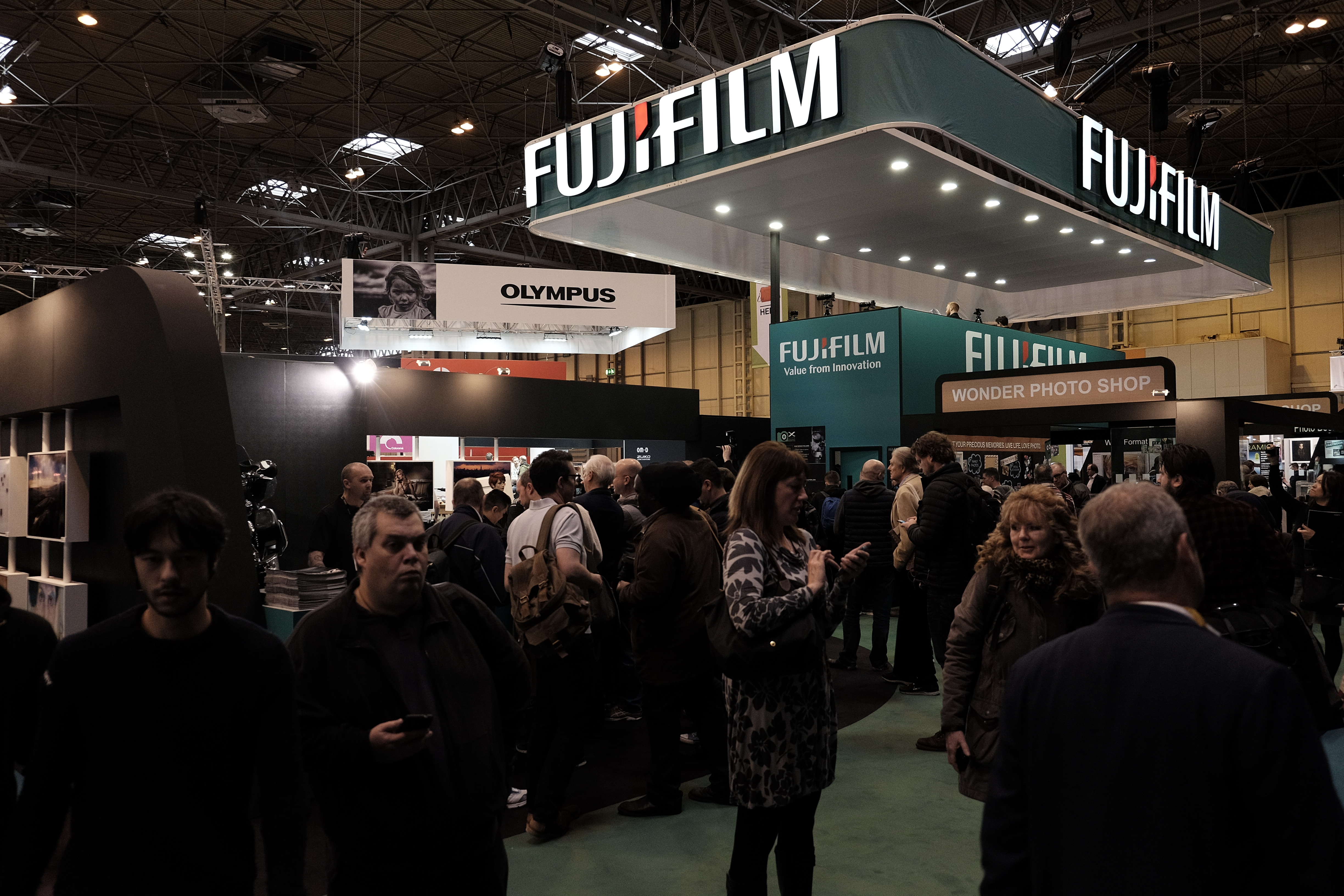
We’re here at The Photography Show at the NEC in Birmingham and it’s been amazing so far.
Our stand is right near the entrance so there’s no excuse to not stop by and pay us a visit. Come and get your hands on the latest kit including X-Pro2, X-E2S and X70 cameras, and we’ve also got an elevated area where you can try out the XF50-140 and XF100-400mm long zoom lenses with X-Photographer Ben Cherry!

Jeannie filling out our Today’s Specials board. Each day we’ve got different X-Photographers presenting around the show.


See inside an X-Pro2 and learn how the Hybrid Viewfinder works

The calm before the storm. The stand about 10 minutes before the show opens
Travel and reportage photographer Chris Upton standing next to a huge print of an image from one of his recent projects.


And we are live. Always a huge rush to get in at the start of the show.

People are able to borrow an X-Pro2 and lens for the day


Lots of people getting their hands on our products and talking to our helpful staff


Hands on with those long lenses


Very important to have a subject to shoot when testing out the cameras


Our range of instax instant cameras are also on display to try out.

Kevin Mullins did an X-Pro2 product demo to around 40 people. Each day at 11:30 we’ll have an X-Photographer doing the same.
Later, Kevin also spoke as part of The Photography Show’s “Turning Pro” masterclass, giving some great advice to photographers thinking about setting themselves up as a business.


And the Kevin-a-thon was rounded off with a talk on the Live Stage about his type of candid wedding photography. Kevin will be talking on the stage on Sunday as well

We rounded the day off with a photowalk around the NEC entitled “Abstract in the landscape”. Professional photographer Paul Sanders encouraged everyone to look for the finer details and less-obvious patterns to create artistic expression where it’s not obviously apparent. Practising in this way means that when confronted with something truly beautiful, photographers will have the ability to still look further to create something unique.

Here’s a few example shots from the photowalk


Come say hello!

The show is open until the 22nd March so please come and say hello. Our full schedule for the remaining days can be found here

Buy an X-Pro2, win a workshop with an X-Photographer

Pretty simple right?

If you buy an X-Pro2 and register the warranty on our website before the 8th April 2016, you could win a place on one of our fantastic workshops.

Image by Dave Kai PiperDSCF4552-Edit-

1st May – Portrait workshop with Dave Kai Piper – (4 delegates)

Location: Amersham Studios

Being a photography lecturer, Adobe Community Pro and Fujifilm X-Photographer, Dave Kai-Piper will take you on an exciting journey into portrait photography.

His workshop starts off with a conversation with each participant discussing individual goals for the day alongside a group objective. As part of the morning set-up you will have a look at some iconic images from influential photographers. Then he will break down what makes those images work & talk about how different lighting types can create moods and styles. You will learn how to build on simple lighting styles like Butterfly lighting, Split lighting and Rembrandt lighting and then put them into practice using live demonstrations with a stunning model.

Once your objectives are set, you will jump into the studio full of the newest WiFi controllable Broncolor lighting to put your new Fujifilm X-Pro 2 through its paces. You will look at ways to shape, control and create that perfect image. Within this workshop you will also learn the best way to communicate and pose your subject to get the best from your model.

Whether you have spent a lot of time in the studio using lighting or have never used additive / flash lighting in your photography before, each attendee will leave the workshop with a broader knowledge of various techniques from lighting your subject, creating a scene and directing your model.


Matt-Hart

4th May – Street workshop with Matt Hart – (4 delegates)

Location: Liverpool

Spend the day with Street, Event and X-Photographer Matt Hart in this candid street photography workshop. It is here that Matt will give you an insight into the way he works and how to shoot his style of street photography.

He will show you how to anticipate and capture decisive moments, how to be invisible in public spaces to get the best images and how to to develop confidence shooting street photography. He will show you the best places in Liverpool to capture great street images – so in the future you can come back and have another go!

Matt’s workshops are always fun, informative and relaxed whilst at the same time challenging and have been designed to stretch your imagination.


Winchelsea-1

7th May – Landscape workshop with Paul Sanders – (4 delegates)

Location: Dungeoness and surrounding areas

Your day will be spent with Fujifilm X photographer and landscape artist Paul Sanders, he will help you develop your own way of seeing the landscape to create images that resonate with how you feel about the location.

Paul’s specialty is long exposure photography, he will take through a natural and easy to follow workflow that enables you to get to grips with the technical side of this style of photography. He will have some Neutral Density filters and graduated filters for you to use on the day. Filtration is one of the key aspects of landscape photography, it allows you to control contrast, mood and exposure time. Paul will explain all of the pros and cons of using filters and the different types of filters available.

The day will be split into two sessions – one at Dungeness and the other at Winchelsea beach.

Dungeness is the only classified desert area in the UK, its flat bleak landscape has inspired photographers, artist, writers and filmmakers for many years. The beach is a detritus of fishing boats and fleet. The decaying hulls of boats are left on the shingle, nets, huts and machinery make this a photographers dream location. Paul will explain that landscape photography isn’t always about the big vista but also lies within the details and the abstract he will guide you around the area so that you don’t miss anything.

Winchelsea Beach is a long exposure dream, lines of decaying groynes stretch along the beach. These make the perfect subjects for getting to grips with the minimalist style that long exposure work generates. Paul will also pay special attention to composition and exposure time to create beautifully minimal images.


Register your X-Pro2 warranty here


Terms
  • Only X-Pro2 cameras purchased from Authorised UK Dealers are eligible to win.
  • Each workshop has 4 spaces available.
  • Winners will be notified by the 13th April.
  • Prizes are not transferable and does not cover the cost of travel and accommodation.
  • Lunch and refreshments will be provided