tutorial

Capture the Thrill of Two Wheels

Riding a bike isn’t just a mode of transportation — it’s a passion, a sport, and a lifestyle. From the adrenaline rush of BMX and MTB stunts to the serene beauty of a gravel bike ride through nature, it offers endless photographic opportunities. Whether you’re capturing the speed of a race or the tranquility of a countryside ride, the right equipment can make all the difference. FUJIFILM’s X-Series cameras are designed to help you capture every moment with stunning clarity and creativity.

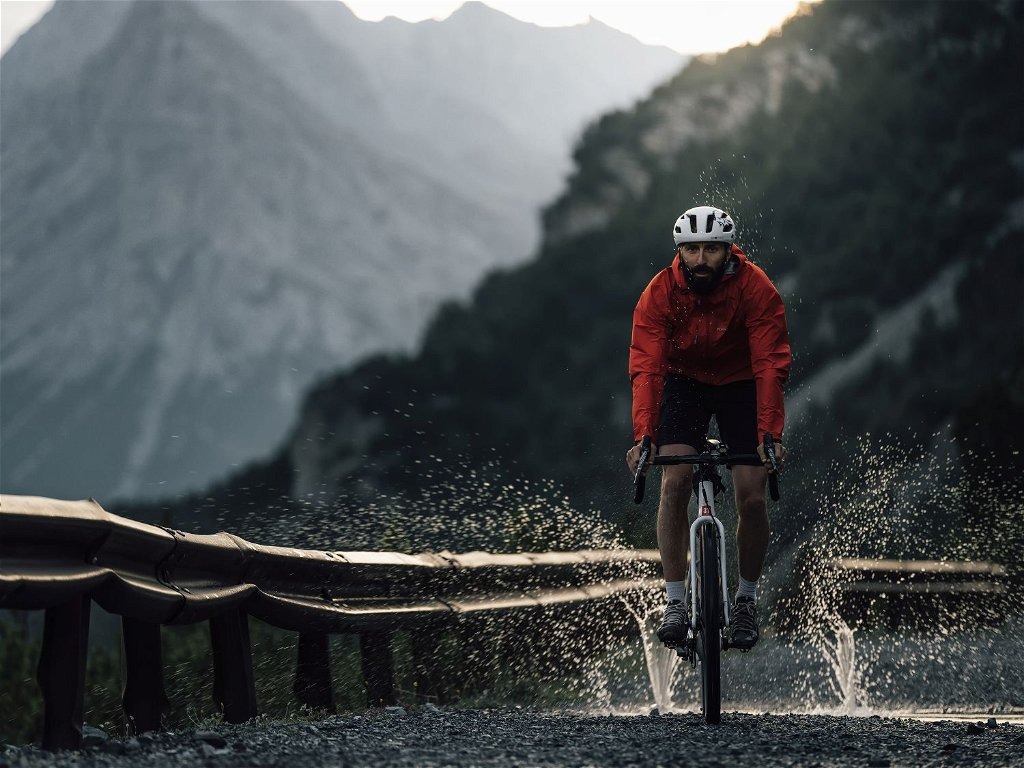
Each type of bike — be it a BMX, MTB, gravel bike, or cargo bike — tells a unique story. The dynamic movements, rugged terrains, and urban landscapes provide a rich canvas for photographers. A commercial and editorial photographer and filmmaker, Bert Stephani, knows it firsthand. Aiming to strike a balance between authentic reportage and cinematic visuals, he took our new flagship camera, the FUJIFILM X-H2S, on a gravel biking journey to test it out – and found his perfect partner in crime.

Maximize your shots with FUJIFILM X-Series

FUJIFILM X-Series cameras are renowned for their exceptional image quality, versatility, and ease of use, making them ideal for bicycle photography. Below, we’ve gathered several tips on how you can use FUJIFILM X-Series products to elevate your bicycle photography.

Fast Autofocus:

Whether you’re shooting a high-speed BMX trick or a mountain biker navigating a rocky trail, the fast and accurate autofocus of the FUJIFILM X-Series ensures you never miss a moment.

High Resolution: 

Capture every detail of your ride with the impressive resolution offered by the FUJIFILM X-Series. The sharpness and clarity bring your photos to life.

Versatile Lenses: 

From wide-angle lenses that capture expansive landscapes to telephoto lenses that zoom in on the action, Fujifilm’s range of lenses allows you to adapt to any photographic scenario.

Compact and Durable: 

The lightweight and durable design of FUJIFILM X-Series cameras means they can withstand the rigors of any biking adventure, from urban streets to mountain trails.

Film Simulation Modes: 

Our unique film simulation modes let you add a creative touch to your photos, mimicking the look of classic film stocks.

Pål Laukli | X-H1, XF200mmF2 R LM OIS WR | F2 | 1/125 sec. | ISO 100
Pål Laukli | X-H1, XF200mmF2 R LM OIS WR + 1.4x F2 | F2.8 | 1/1000 sec. | ISO 100

Tips for stunning bicycle photography

A little detail can change the whole perception of the shot. Sometimes, the play of light and shadow or the right angle can make a huge difference. However, the challenge is also to show the sense of speed and freezing the moment in time that tells a story. So, how to take bicycle photographs that evoke the emotion, making you stop and stare?

Timing is Key:

Shoot during the golden hour (just after sunrise or before sunset) to capture soft, warm lighting.

Composition Matters:

Use leading lines, such as bike trails or roads, to draw the viewer’s eye into the image.

Action Shots:

Pan with the movement of the cyclist to create a sense of speed and motion.

Tell a Story:

Capture the environment and the rider’s expression to convey the emotions and story behind the ride.

Bicycle photography is a rewarding and exciting genre that allows you to combine your love of cycling with your passion for photography. With FUJIFILM X-Series cameras, you have the perfect tools to capture the essence of every ride. So grab your camera, hop on your bike, and start creating stunning visual stories today.

Get inspired

To view examples of stunning bicycle photography shot with FUJIFILM X-Series cameras from around the globe, check out our Pinterest widget. Here, you can learn about inspiring user-generated content and find ideas to start on your own bicycle photography adventure!

Featured image by Daniele Molineris.

FUJIFILM XApp. Extend your photographic experience

In the age of smartphones and tablets, the need for seamless connectivity between devices has become more important than ever before. Recognising this need, we’ve developed the revolutionary FUJIFILM XApp – a powerful application that allows you to effortlessly connect your X/GFX Series cameras to your smartphone or tablet. Offering wireless communication, remote control, backup and restore, and much more, this app opens up a world of possibilities.

Let us explore the key features of FUJIFILM XApp and how it can enhance your photographic journey.

Wireless image transfer

The ability to browse and transfer images and videos to your mobile device is one of the outstanding features of the app. Gone are the days of cumbersome cable connections – now you can easily share your captured moments with friends and family instantly, no matter where you are. You have the option of transferring your images in their original size, or you can choose a compressed size for a faster transfer.

Remote control and Live View shooting

Imagine being able to get the perfect shot without having to touch your camera at all. With FUJIFILM XApp, you can have remote control of your camera from your mobile device. Whether you want to take a group photo with friends and family, or want to avoid shaking when taking a delicate picture, Remote Control Mode allows you to release the shutter wirelessly with a single tap. For more flexibility, when shooting from awkward angles, Live View shooting mode lets you see the camera’s live view on your mobile device.

Record your photographic activities

FUJIFILM XApp’s new Timeline and Activity functions offer an exciting way to review and document your photographic journey. Once Activity Recording is enabled, the app records information such as the cameras and lenses used, the number of images taken, the hours of movies recorded, and the types of movie simulation modes used. The Timeline presents your photographic activities in chronological order, similar to a diary-style presentation. In addition, if location synchronisation is on, you can also have a map display of the shooting locations. The Activity tab provides a summary of your photographic activities, allowing you to keep track of your creative progress.

Seamless wireless communication

Designed to communicate seamlessly with your smartphone or tablet, FUJIFILM XApp is specifically designed for FUJIFILM X/GFX series cameras. With this app, you can wirelessly transfer images, remotely control your camera, record your photographic activities, save and restore camera settings, and more.

Backup and restore

Keeping track of your favourite camera settings is essential for efficient and consistent shooting. FUJIFILM XApp simplifies this process by allowing you to save your favourite camera settings on your mobile device. When needed, you can easily restore these settings to your camera with a single tap. This feature is particularly useful when shooting different subjects or in different shooting situations, as you can quickly switch between pre-configured settings.

For photographers who want to streamline their workflow and maximise their creative potential, FUJIFILM XApp is a game changer. This app revolutionises the way you interact with your X/GFX series cameras, offering seamless wireless communication, remote control, backup and restore, and comprehensive activity tracking.

Whether you are a professional photographer or an enthusiast, FUJIFILM XApp gives you the power to capture, control, and cherish your photographic moments with the greatest of ease. So, harness the power of connectivity and take your photography to new heights!

Find out more about the XApp compatibility here.

Capture the Beauty of Cherry Blossom.

It’s March, and you obviously enjoy the beauty of cherry blossoms in full bloom all around the city. So, if just like us, you’re itching to capture this vibrance and tenderness of spring colours, here is your short photography guide on how to ensure your cherry blossom images truly blossom.

Timing is everything

From the very first pink buds to the end of full bloom, cherry blossoms show a wide range of expressions. The colour of the petals evolves from a dark shade to pale pink, eventually fading to a whitish hue as the petals fall to the ground. To capture the essence, it’s best to focus on the period between the half bloom and the full bloom. During this period, flowers are usually at their most vibrant and visually appealing stage, and the petals are fully developed.

Kiichi Noro, X-T1 | XF55-200mmF3.5-4.8 R LM OIS | F16 | 1/60 sec. | ISO 400

You can experiment with different lenses, using telephoto or macro to zoom in on intricate details of overlapping blossoms. You can also explore different angles, for example, by incorporating elements such as a blue sky, mountains, or rapeseed flowers in the background.

Best times to shoot

The morning is considered to be the best time to capture cherry blossoms. Around 9:00 am, the sunlight hits the front of the petals. This creates a stunning effect.

Hitomi Komatsu, X-T1 | XF18-55mmF2.8-4 R LM OIS | F16 | 1/15 sec. | ISO 200

For a different atmosphere and unique perspectives, shoot in the evening, during the golden hour, or even at night.

Hitomi Komatsu, X-T1 | XF50-140mmF2.8 R LM OIS WR | F2.8 | 1/2700 sec. | ISO 800

Use a tripod to stabilise your camera when shooting at night. Nighttime generally requires slower shutter speeds, wider apertures, and longer exposure times to capture enough light in the scene. This combination makes the camera more sensitive to shaky hands and unintentional movement, resulting in blurry images. The tripod prevents any camera shake, so you can have crisp and clear photos.

Chiyo Yamaguchi, X-T3 | XF56mmF1.2 R | F2.8 | 30.00 sec. | ISO 500
Hitomi Komatsu, X-T1 | XF50-140mmF2.8 R LM OIS WR | F16 | 1/14 sec. | ISO 800

Set the mood with settings

To create the desired atmosphere, play with the white balance and exposure compensation settings. For example, on a cloudy day, set the white balance to “shade” and the exposure compensation to “+” to capture a natural look. Depending on the lighting conditions, experiment with different settings to achieve warm or cool tones.

Set the wide aperture to achieve a shallow depth of field. This will make the cherry blossoms in focus while blurring the background, creating those dreamy, out-of-focus areas. To enhance the bokeh effect, experiment with the distance between your subject, cherry blossoms, and the background.

HaruQ Yamaguchi, GFX 50S | 85.0mm | F1 | 1/3800 sec. | ISO 400

Film simulation modes

To express the bright atmosphere of spring, explore different film simulation modes. By setting the mode to Vivid (Velvia), the colours and vibrancy of the cherry blossoms can be enhanced, giving you a more vibrant image.

Using Chrome Blue, you can highlight the natural vibrancy of the cherry blossoms against a blue sky. This setting makes images more visually appealing by enhancing the blues.

Get creative with advanced filters

Some Fujifilm cameras offer Adv Mode with advanced filters. Experiment with effects such as Pop Color for increased contrast and saturation, Soft Focus for a dreamy atmosphere, and Multi-Exposure for unique, layered shots.

So, here we are! With these photography tips, you’ll be ready to capture the fleeting beauty of cherry blossoms in all their glory. Take advantage of all the opportunities, whether it’s the morning sunlight illuminating delicate petals or the evening glow casting a warm hue. Now, just grab your camera and explore!

How to make a DIY Jar-o’-Lanterns with INSTAX.

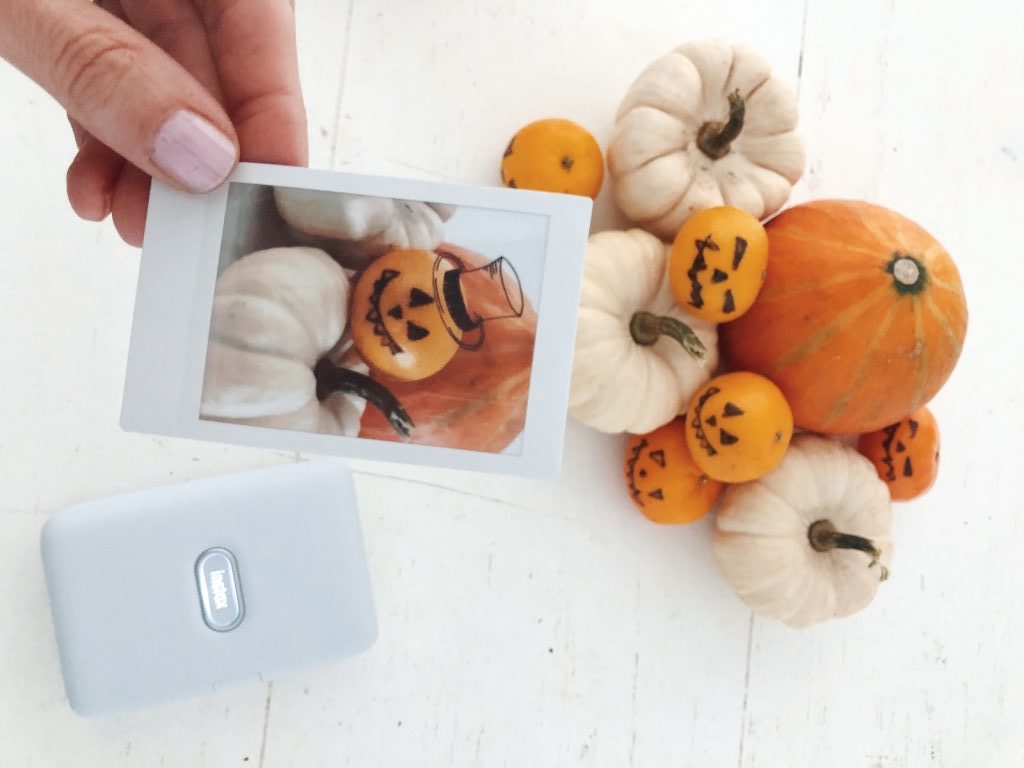
It’s almost Halloween, and you’re probably itching to get creative with your home decorations. Well, here’s a spooktacular DIY design that’s so easy it’s scary! Sophiagaleria shared a great idea for a unique Halloween photo jar which you can make in no time just with your INSTAX mini Link Printer and some simple items.

What will you need?

  • a screw-top jar;
  • tangerines;
  • a black waterproof pen;
  • mini fairy lights (LED);
  • INSTAX mini Link Printer;
  • wooden sticks.

Step 1. Draw spooky faces

First, get your tangerines ready. Take your black waterproof pen and let your creativity run wild drawing funny or scary Halloween faces on the tangerines. It may be classic jack-o’-lanterns, sinister smiles, or even spooky ghosts. Feel free to experiment!

Read More

How to: Creating Light Painting

You might have seen it a few times already, but probably not under its correct name… We are talking about light painting, or also called light drawing. Most of us are familiar with the term and photo technique ‘long exposure’ (longer exposure time). Light painting is a form of long exposure, but brings it to the next level whilst creating an art piece that looks like it has been drawn even though it was taken with a camera.

Terry Hall with FUJIFILM X-T2 + XF16-55mmF2.8 R LM WR – F18, ISO 200, 10.0 sec

Light Painting

We all have seen those stunning images of streets where streetlights or headlights on cars become trails and melt together, creating something special without seeing the actual vehicle. This unique effect in cityscape images can be created while shooting at night or in low light with longer exposure times. Of course, this is nothing new, but creating and sketching scenes and photographs specifically to use the unique effect of long exposure to create something similar to a painting is referred to as “light painting”. Photographers are specifically looking for a moving light source such as a candle, flashlight, LED lights or another light source, aiming to alter an image while using long exposure. Thus, light-painters not only take the picture as-is instead add another element by highlighting a subject, creating trails of light, flashes, and other special elements like these.

How to: Capture Better Travel Portraits

Walking through the streets of Paris, Barcelona, Rome or just taking a stroll along the promenade of Dubrovnik, Croatia. Traveling through different countries, cities, and cultures is probably something we all love. Slowly our lives are turning back to a more routine and less restrictive daily life. Thus also travel becomes possible again. Spring season is in full swing too and many people are ready to travel to different locations and countries again to admire and capture special sceneries. To get pleasing results, we have some helpful tips to make your memories unforgettable.

People are the heart of any culture, so when you journey to other countries or cities, you will find travel gold in their faces and the way they live. Street portraits and candids are two different types to capture those moments. While shooting a candid, your subject is likely to be unaware, or at least unconcerned, of your presence. Portraits are more likely to be posed, and will perhaps include eye contact, with the subject fully aware they’re being photographed. Consequently, some tricks are important to keep in mind…