sustainability

Circular Manufacturing Center launched by FUJIFILM Business Innovation in Europe

FUJIFILM Business Innovation has established a Circular Manufacturing Center with the objective of promoting resource circulation in Europe. The Center will be located at FUJIFILM Manufacturing Europe B.V. in the Netherlands and will commence operations with the collection and remanufacturing of toner cartridges from June 2024.

In 1995, FUJIFILM Business Innovation established a comprehensive recycling policy, which it has adhered to ever since. This policy is based on the principle of ‘zero waste’ and is designed to promote resource circulation. It encompasses the collection, reuse, and recycling of all consumed equipment and products from customers. The company’s comprehensive circular production system encompasses the entire product lifecycle, from planning and development to manufacturing and disposal. The objective is to minimise the use of new resources and maximise resource circulation through the reuse of parts from collected products.

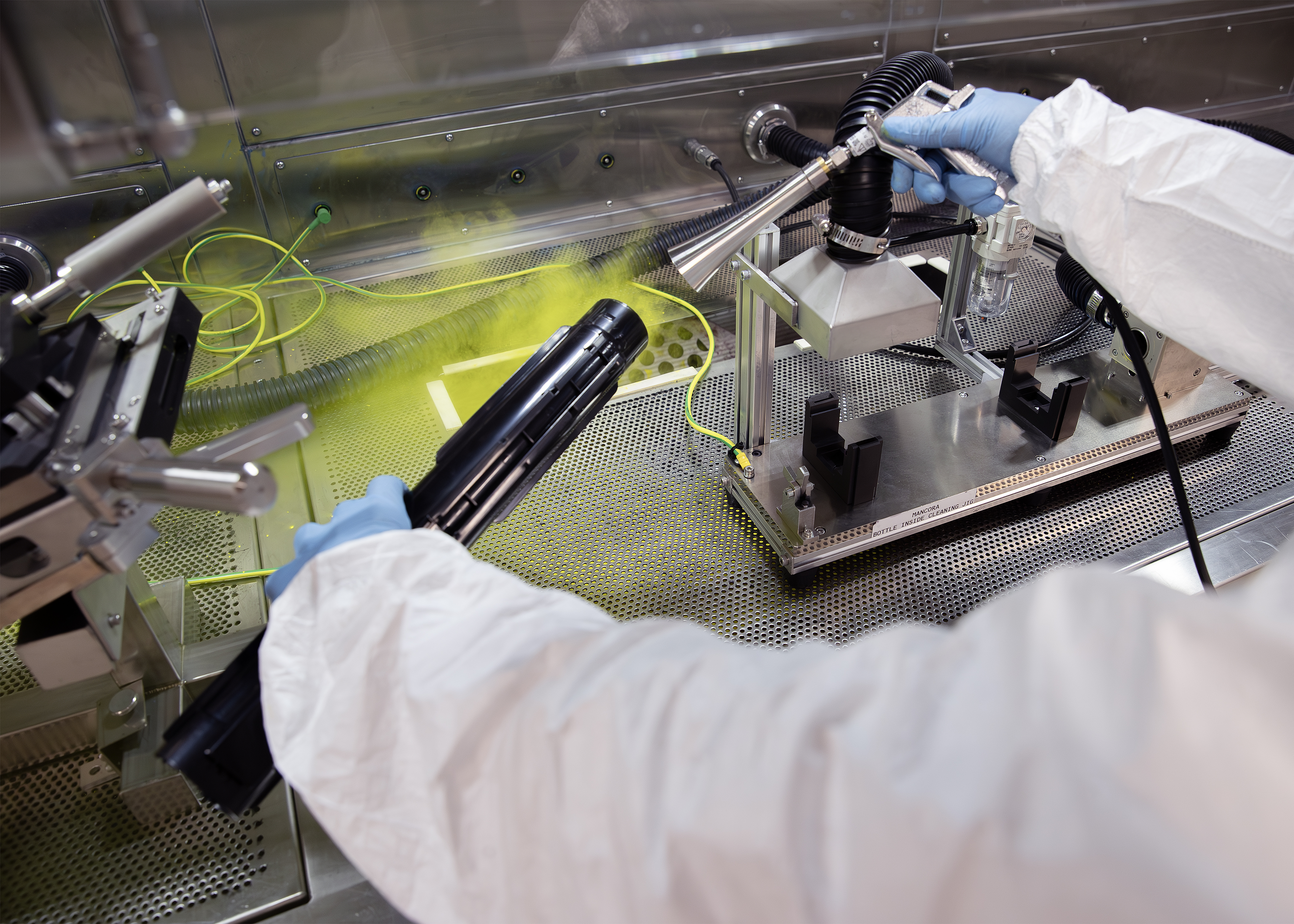
At the new Circular Manufacturing Center, FUJIFILM Manufacturing Europe B.V. will collect used toner cartridges from printers sold throughout Europe. Following disassembly, cleaning, inspection, and remanufacturing, these cartridges will be reintroduced into the European marketplace as new toner cartridges. The company has expressed its intention to extend these remanufacturing processes in the future to other products, such as multifunction printers and production printer spare parts, in addition to toner cartridges.

A notable aspect of the Circular Manufacturing Center is its dedication to sustainability. FUJIFILM Manufacturing Europe B.V. supplies all of its electricity needs from on-site wind power generation and from a purchased wind power generation company. Therefore, the newly established Circular Manufacturing Center can also achieve virtually zero CO2 emissions from the electricity it uses.  Strategically located in the Netherlands, the heart of Europe, the facility benefits from an extensive manufacturing history and advantageous geographical position to enhance transportation efficiency and effectively promote resource recycling.

From its inception, FUJIFILM Business Innovation has been dedicated to environmental conservation and reducing the environmental impact of its corporate activities. The inauguration of the Circular Manufacturing Center in Europe constitutes a significant milestone in the company’s ongoing endeavours to enhance resource circulation and contribute to the circular economy.

It is important to note that the remanufactured products are derived from used items collected from customers and undergo a thorough process of disassembly, cleaning, inspection and refurbishment in order that they meet the requisite quality standards.

SBT Validates Our Greenhouse Gas Emission Cut Target for FY2030

A tenth of a degree may seem quite insignificant on a thermometer. When checking it out of the window, it may seem just a question of whether you should wear jeans or shorts today. However, globally, even a teeny-tiny change in average temperature can unleash a cascade of consequences, fuelling unpredictable and extreme weather events. The weather goes wild, and we’ve had a hand in it.

Back in 2015, countries worldwide united under the Paris Agreement, committing to reducing their greenhouse gas emissions to combat climate change and keep global warming below 2°C (ideally, aiming to limit it to 1.5°C). It was a global effort to tackle one of the greatest challenges of our time. And we’re eager to contribute.

The Science Based Targets (SBT) initiative has validated our greenhouse gas emission target for FY2030, confirming that it aligns with the scientifically based goal of limiting global temperature rise, as specified in the Paris Agreement. This marks a significant milestone in our sustainability efforts.

Why 1.5°C?

In 2021, the first volume of the Sixth Assessment Report of the UN Intergovernmental Panel on Climate Change (IPCC) was published and it became clear that global warming goes faster and more intense than expected. If anthropogenic greenhouse gas emissions are not cut, the rate of global warming is expected to increase as well as the intensity of critical events. If the planet warms by 1.5°C, we will experience approximately 4 extreme weather events every 10 years, at 2°C – 5 or 6 extreme events, and at 4°C we will have them every year.

Our GHG Reduction Targets

As part of our Sustainable Value Plan 2030, we’ve set ambitious GHG emission reduction targets that serve as a core pillar of our commitment to addressing climate change and contributing to a more sustainable future. We aim to reduce greenhouse gas emissions from our operations and across the entire product lifecycle by 50% compared to FY2019 levels.

Under the Green Value Climate Strategy, we aspire to minimize our environmental impact by promoting production activities with lower carbon footprints and delivering top-notch products and services with outstanding environmental performance. This strategy reflects our commitment to addressing environmental and social issues and creating long-term value for both society and the planet.

Why is it important?

When burning fossil fuels like coal, oil, and gas for energy, greenhouse gases are released into the atmosphere. These gases serve as a barrier, trapping heat from the sun and keeping it within the atmosphere, similar to how a blanket keeps us warm at night. It’s one of the basic things that makes our life on the Earth possible. However, there can be too much of a good thing. Human activities release excessive amounts of greenhouse gases, resulting in well-known greenhouse effect and global warming. It ruins natural weather patterns. You may have already witnessed snow in summer or extremely high temperatures as well. But more than that, it causes disasters like droughts, floods, or hurricanes. Glaciers melt, the sea level rises, water absorbs more CO2 and goes more acidic, harming the marine life and ruining entire ecosystems.

These consequences have far-reaching impact and we may face bigger challenges if we don’t take action. That’s why it’s crucial to reduce greenhouse gas emissions and improve energy efficiency. By understanding the impact of our actions and aiming at more sustainable choices, we have the power to limit the effects of greenhouse gas emissions. And together, we can make a positive difference, working towards a safer future for ourselves and new generations.

Fujifilm & Willich Packt’s: Turn E-Waste into a Good Deed

Have you thought about what happens with your electronic gadgets after you toss them away? We live in times when fast-tech is running the show, and devices are replaced with new versions so fast, that you can barely notice. Mobile phones, laptops, toasters, lamps, fairy lights, fans, or one-time-use vapes – we discard 155,000 tonnes of electricals every year, instead of reusing or recycling them. As a result, this whole “mountain” of discarded gadgets is piled up in drawers, cabinets, or rubbish bins, creating one of the fastest growing waste streams – and a big threat to the environment and human health.

The United Nations International Telecommunication Union has set the target to raise the amount of recycled e-waste to 30%, and we are happy to make our own little step contributing to safer future for everybody. Our teams in Ratingen and Willich supported the Willich Packt’s initiative to collect e-waste for recycling and get further use of it for good deeds.

Since October, we collected old mobile ones, printer cartridges and remaining currency that is no more in use and have already handed it all over to our partners. These old electronics will now be recycled, the currency is going to be exchanged, and every single cent from this initiative will work its magic to support the Willich Christmas Wish Tree and make the wishes of children and adolescents from Willich in need come true.

How May Your Old Phone Ruin the Planet?

The problem is that your discarded mobile phone does not just litter the planet by taking up the space but they also may be not friendly to the environment, bringing serious damage. Most mobile phones, as well as some other gadgets, may contain hazardous chemicals such as lead, mercury, cadmium, or arsenic. If we don’t recycle them properly, these may end up in our water, air, and soil.

Just over 17% of the global e-waste is properly recycled, with Europe collecting around 55%. The rest ends up in landfills, damaging the planet. And the WEEE says, by 2030, global e-waste generation will reach 74 million tonnes a year.

How to Make Use of E-Waste?

75% of all materials in your old electrical devices can be recycled. Often, there are valuable, even rare, materials that could have been recovered and reused turning into useful things like reusable accessories, plastics, precious metals for microchips and dental fillings, or hard metals which can then be used in construction, for airplanes, and a broad range of home items. Not to say about the amount of energy it can save! Let’s talk numbers: according to the Scientific American magazine, if we were to recycle the estimated 130 million phones thrown away every year only in the USA, we could potentially save enough energy to power nearly 25 000 homes for the whole year.

“If we went ahead and recycled one million laptops, too, we would save the energy equivalent to the electricity used by 3,657 U.S. homes in a year. Furthermore, for every million mobile phones we recycle, 35,274 pounds of copper, 772 pounds of silver, 75 pounds of gold and 33 pounds of palladium can be recovered. Recovering these valuable metals through recycling precludes the need for mining and processing that much new material from the Earth, thus not only conserving natural resources but preventing air and water pollution as well,”

Scientific American magazine.

You Can Contribute Too!

So, what can you do? Anything with a plug, a battery or a cable can be recycled. Instead of just tossing not used electronics away, let’s find ways to give them a new life. As e-waste does not belong to the regular waste, look for the nearest collection points or special recycling bins in your town. It is better to divide your e-waste by kind, separating those needing extra handling, such as batteries. After collection points, your old devices will be sent to specialized electronics recyclers, separated, and turned into new items, or managed properly. Get free from your electronics consciously and make a difference!

1000 trees in Ratingen: Growing a Change

Each day, 42 million trees in the world are cut down. That is more than 15 billion trees per year. Humans have already destroyed more than 40% of all the trees on the planet, and speed and intensity of the destruction leaves no space for optimism. Deforestation is beginning to take its toll as global temperatures rise and the effects of climate change become noticeable.

Only two years ago, at the UN Climate Change Conference, over 130 countries representing 85% of the world’s forests made pledges to stop and reverse deforestation by 2030. And now, the WWF publishes its fresh Forest Pathways 2023 report, claiming that the world is already off track to reach the goal in time. Reforestation is struggling to catch up, and the lack of progress on commitments clearly puts the world at risk of missing key targets.

Taking a Stand for Nature

During the month of COP28, we launched a reforestation project in collaboration with the PLANT-MY-TREE®. After the 1000 trees planted last year in Düsseldorf, one more thousand of trees were planted in Ratingen on November 9th, aiming to reduce our environmental impact and contribute to biodiversity. This project also supports our Sustainable Value Plan 2030 which aims to eliminate CO2 emissions by FY2040 and reflects our ongoing commitment to protect nature and safeguard the planet. To ensure the long-term impact and strong and healthy tree growth while preserving the area, we will put our newborn mixed forest under the regular monitoring.

Why is it important?

Trees are what makes this planet “breathe”. They soak up carbon dioxide and generate clean air, helping reduce the concentration of greenhouse gases and being the devoted partner in a fight against global warming. Apart of that, a single tree can be a home for hundreds of plants, insects, moss, and mammals. Bringing back trees through reforestation supports their natural habitats and creates a safe environment for plants, insects, birds, and other creatures. It preserves biodiversity and helps stop the extinction of species.

“Planting trees is not only about creating a carbon reserve, but also about reducing the risk of flooding and erosion, improving the water cycle and air quality, and providing valuable resources to local communities, such as the one in Ratingen where we operate our European headquarters,”

Luana Porfido, European Head of Corporate Communication and ESG Management FUJIFILM Europe GmbH.

Through this collaborative effort, we aim to contribute to a safer future for new generations, and we encourage you to join. You can help directly by planting or purchasing trees, or you can also promote the initiative among friends and family, fostering the awareness. Step by step toward a change!

Discover FUJIFILM Kangaroo: Your Plug-and-Play Solution for Long-Term Data Archiving

Are you ready for an exciting innovation in the world of data storage? Join us at the upcoming storage2day event in Frankfurt/Main, taking place from September 26 to September 27, 2023. Our very own Sebastian Skrypka, Business Development Manager at Fujifilm Recording Media, will be unveiling the remarkable FUJIFILM Kangaroo – a game-changing plug-and-play solution for long-term data archiving.

In his presentation, Sebastian Skrypka will delve into the latest product developments by Fujifilm Recording Media. See how it empowers you to archive file-based data and rapidly growing object data onto tape storage, while making the process simpler and more efficient. You’ll gain insights into all the advantages, along with valuable information about tape technology and FUJIFILM Object Archive software combined for a secure, open and sustainable data archiving experience.

Key Learning Objectives
  • explore potential strategies for long-term and secure data archiving;
  • understand the benefits of FUJIFILM Kangaroo and how it can transform your data management.
Read More

FUJIFILM Holdings named to CDP Supplier Engagement Leader for 5 years in a row

Stock image - GettyImages, © 2010 by Santiago Urquijo - ALL RIGHTS RESERVED

FUJIFILM Holdings Corporation has once again been recognized for its commitment to addressing climate change in its supply chains. The global non-profit organization CDP has named FUJIFILM as a Supplier Engagement Leader for the fifth consecutive year. This recognition places FUJIFILM among the top 8% of companies surveyed by CDP.

At the core of FUJIFILM’s corporate activities is its belief in environmental conservation. The company’s CSR plan, Sustainable Value Plan 2030, includes a target to reduce carbon dioxide emissions across the entire product lifecycle by 50% compared to FY2019 levels by FY2030. To achieve this goal, FUJIFILM is working to reduce carbon dioxide emissions throughout its entire supply chain by sharing its approach to environmental and procurement policies with its suppliers.

CDP is a non-profit organization that encourages companies to reduce their greenhouse gas emissions, safeguard water resources, and protect forests. Working with over 680 institutional investors with assets of US$130 trillion, CDP promotes transparency and management of environmental impacts by companies.