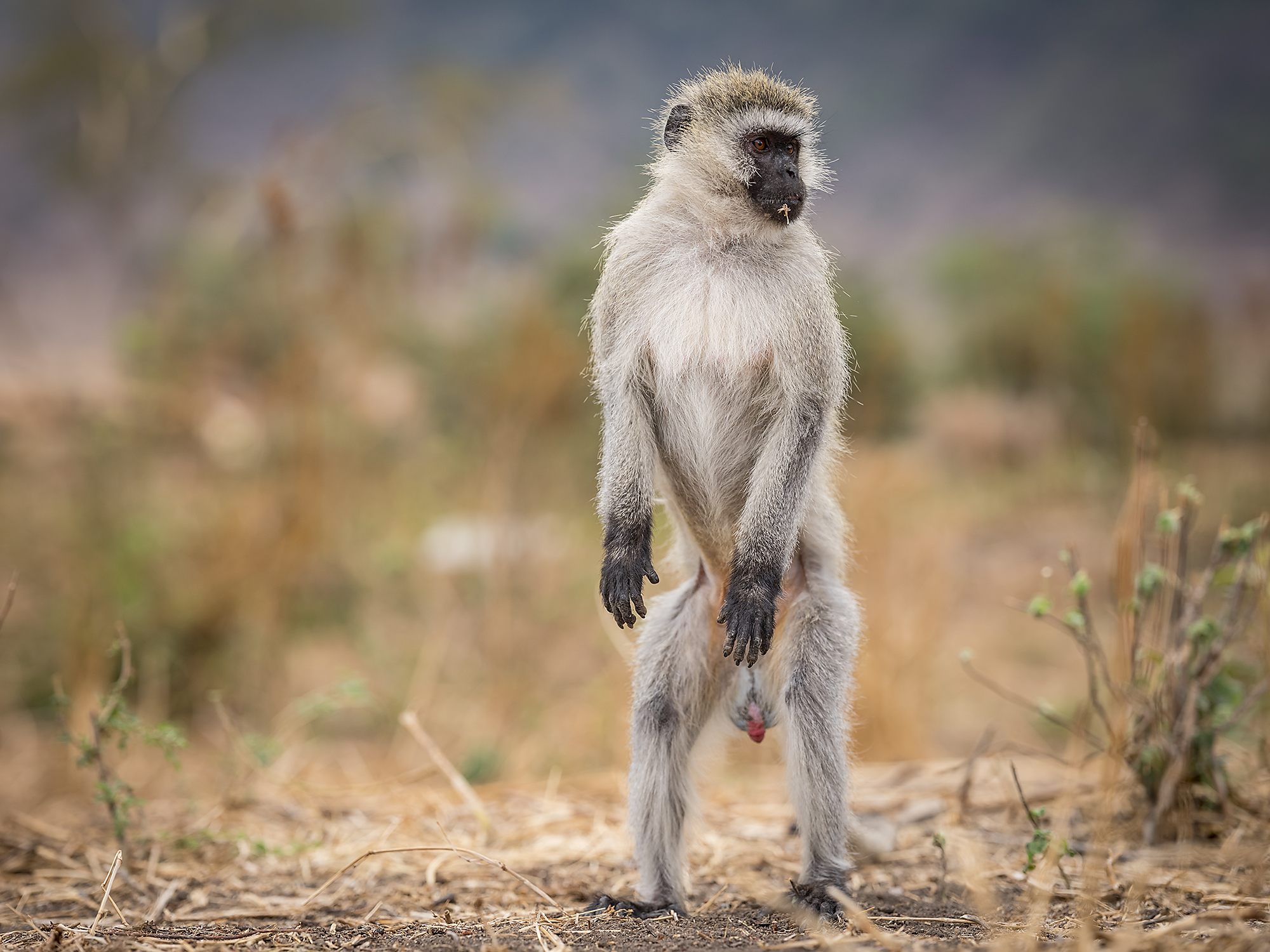
Bird photography is a delicate art that requires patience, precision, and a dash of wonder. Each bird presents a unique challenge. You learn to anticipate their moves, study their habits and habitats, becoming a part of their world. Every click of your camera is a hunt for a perfect moment, and your lens must be incredibly accurate and responsive to capture the elegance of a hummingbird’s glance or the wild spirit of an eagle’s flight. It’s about capturing life in its tiniest and the grandest.
Today is World Wildlife Day 2023, and this year’s theme is “Celebrating Diversity: Promoting Conservation and Sustainable Use of Wildlife.” As we reflect on the beauty and importance of wildlife in our world, we can’t help but admire the stunning photographs captured by Fujifilm X-Photographers.
These photographers have dedicated their lives to capturing the beauty of wildlife in its natural habitat, and their work has inspired countless individuals to become advocates for wildlife conservation. Their photographs have the power to transport us to far-off lands and introduce us to rare and endangered species that we might never have the chance to encounter in person.
The Fujifilm X-Photographers are a group of talented photographers from around the world who have been selected by Fujifilm for their exceptional skills and creative vision. They use Fujifilm’s high-quality camera equipment to capture stunning images of wildlife, landscapes, and people, showcasing the diversity and beauty of our world.
As we celebrate World Wildlife Day 2023, it’s essential to recognize the role that these photographers play in raising awareness about the importance of wildlife conservation. By sharing their work on social media, in galleries, and in publications, they inspire us to take action to protect our planet’s most vulnerable species and their habitats.
Their work reminds us of the intricate relationships that exist in our natural world and the importance of preserving biodiversity. Through their lenses, we can witness the beauty of the natural world and gain a deeper appreciation for the fragile ecosystems that support our planet’s life.
If you’re interested in wildlife photography or simply admire the work of these talented photographers, make sure to check out the virtual X-Story Showcase hosted by Fujifilm. Here, you can view the stunning work of these photographers and gain insight into their creative processes.
World Wildlife Day 2023 is an opportunity to celebrate and protect the diversity of life on our planet. By supporting the work of wildlife photographers and becoming advocates for conservation, we can ensure that future generations will be able to experience the beauty and wonder of our natural world.
Alan Hewitt, a professional wildlife photographer based in the UK and part of the 2020 X-Photographer line-up, shares tips, tricks and experiences on photographing wildlife you can find near your home. As it’s getting colder, the days are getting shorter and the light is playing tricks on us, we are happy to pick up Alan’s insights.
Many thanks to fujifilm-x.com and Alan Hewitt for the inspiration and the impressive wildlife photographs.
In his article, Alan explains how to find the right subject – for example by creating a mini nature reserve in your garden. If you don’t have a garden, there’s tips on how to spot animals in parks or other green spaces in or around your city.
Whether colourful birds in your garden, vivid squirrels or rabbits in a nearby park or even coastline wildlife – these beautiful photos by Alan Hewitt show the diversity to be captured.
Having found animals to shoot, the next step is to get geared- and set-up. Alan has helpful tips on what equipment to bring and how to set it up for best results.
Not only knowing how to shoot wildlife, but actually understanding your surroundings is key – field guides as well as researching on the internet or joining interesting social media groups can help with this.
Ethics is an important topic when shooting wildlife. Alan, therefore, offers some advice on best practices when working with animals in nature.
We encourage you to read Alan’s post in its entirety. We hope you will find a few autumn days with interesting light and fun, beautiful animal friends to be photographed.
One of the most rewarding parts of my job is making an emotional connection with the wildlife I encounter. One of the most challenging aspects of my job is conveying that connection in a photograph. To do that, I have to make use of a very important compositional tool – perspective. Read More
Wildlife photography throws up many challenges. For starters, weather and environmental conditions are rarely ideal. Dusty African savannahs, humid jungles, persistent precipitation in rainforests, sub-zero temperatures in the Arctic and Antarctic – they all demand the very best of the equipment I use, in terms of both performance and reliability. In reality, it’s about confidence – I need to know that when the going gets tough the camera I’m using will perform consistently and uninterrupted. Having worked with X-T series cameras in camera-hostile environments around the world, I already have surety in the Fujifilm system.
I have recently spent time working with the FUJIFILM X-H1, including a trip to the stunning Camargue region in the South France to photograph the wild horses there. It’s obvious the designers and engineers have taken weather resistance to even higher levels with this new camera, with more robust seals to prevent electronics’ two main enemies, dust and water, leaving you high and dry. Read More
With ‘wild’ experiences becoming rarer as humanity continues its ferocious endeavour to progress, often at the natural world’s expense, how can we treasure those encounters however big or small? I personally think photography is the single most powerful medium when it comes to nature. Read More