showcase

Shooting the Captivating Italian Lakes with the GFX

By Mark Bauer

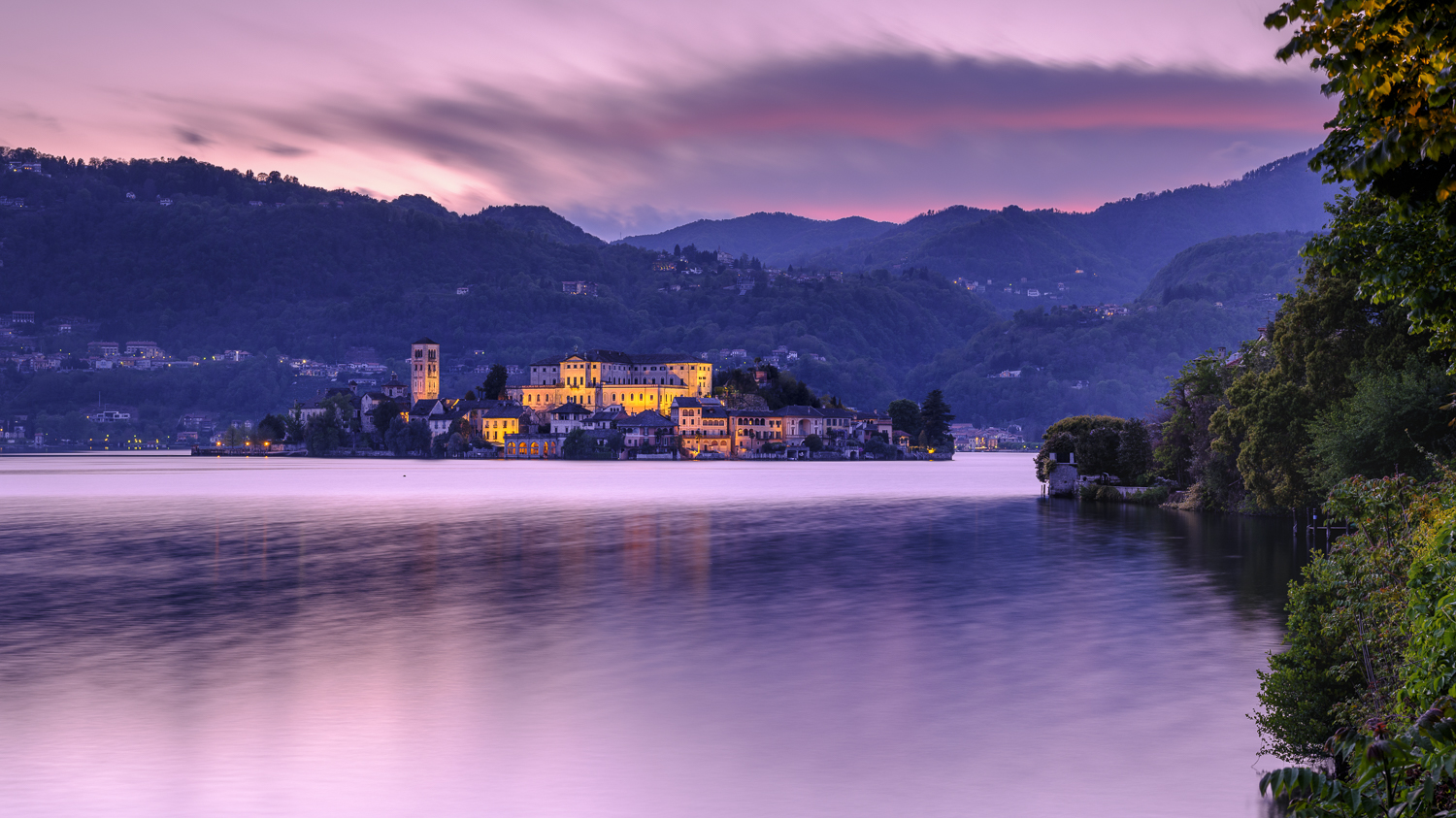
Landscape photographer, Mark Bauer lives near Dorset’s Jurassic coast, which is world renowned for being stunningly beautiful. This part of the country, as well as travelling with photography provides him with a constant source of inspiration. Mark recently visited the captivating Italian lakes. Armed with a FUJIFILM GFX 50S he captured some stunning images. In this blog he talks about his experience with medium format, and how the GFX was the perfect companion for his trip. Read More

Through a Photographer’s Eye: Drew Hopper

through-a-photographers-eye

Through a photographer’s eye is the first in a series of interviews featuring Australian photographers. In each interview, we learn about the person behind the camera and how they use Fujifilm X Series cameras to photograph the world around them. Our first interview is with Sydney based photographer, Drew Hopper.


drew-headshot


Drew, what do you look for when taking a photo and how has photography shaped your career?


To me, photography is the art of observation. I try my best to find something interesting in everyday life and transform it into something surprising and captivating. For me, photography is about seeing things from a new perspective. If I can capture a moment and create some kind of tension that makes the viewer feel something then that to me is a successful photograph. As a photographer specialising in travel and documentary, stories are an integral part of my work. I strive to capture images that convey a sense of discovery with a story from everyday life moments. My goal as a visual storyteller is to be utterly infectious so that my audience can connect and feel something on an emotional level.


hoian-8809

Fujifilm X100S – 23mm – F4 – 1/100 second – ISO 200


I never intended on becoming a full time ‘professional’ photographer. My love for the craft has kept me moving forward. After my first trip overseas the travel bug hooked me and there was no turning back. My journey as a photographer originated as a landscape photographer on the beautiful Mid North Coast of New South Wales, Australia. My passion for the natural world led my desire to explore other parts of the world, which saw my journey as a landscape shooter evolve into the travel realm. I spend a lot of my time travelling abroad, mostly in Asia.

hoian-8234

Fujifilm X100S – 23mm – F8 – 1/125 second – ISO 200


By the looks of things, you travel abroad often to capture people and subjects that interest you. Did you choose the X100S for this reason and what do you like most about the camera?


Yes, I spend a lot of time travelling throughout Asia. During my first trip overseas I packed way too much camera equipment, which ended up becoming a burden. On my second trip I still carried my Canon DSLR, however, I also purchased an X100S. I ended up leaving my Canon kit at the hotel most days and went out shooting with the Fujifilm system. I just love how compact and discreet the X system is – it definitely was beneficial in mixing with the locals without standing out too much with a big camera. I find that when I shoot with the X100S people tend to turn a blind eye towards you being a ‘pro’ with a fancy camera.

kolkata-6353-edit

Fujifilm X-E1 – XF18-55mm – F2.8 – 1/40 second – ISO 250

untitled-shoot-6283-edit

Fujifilm X100S – 23mm – F5.6 – 1/4 second – ISO 800


Did you have any travel photography tips you could share with our readers?


The best advice I can offer aspiring travel photographers is to always ‘work the scene’ to get that perfect shot. This is usually a subtractive process, which means excluding certain elements from my frame to remove any clutter or unwanted distractions from the image before taking the shot. I apply this technique of shooting to all my photography, even landscapes. I cannot simply move part of a landscape; I must work the scene in order to make the scene work for me. If you want that shot then you need to really work for it – the X100S is fun for this as it’s so compact.

hoian-9253-edit

Fujifilm X100S – 23mm – F4 – 1/210 second – ISO 400

untitled-shoot-9096-edit

Fujifilm X100S – 23mm – F5.6 – 1/240 second – ISO 200


Can you tell us the story behind your favourite photo captured on the Fujifilm X100S?


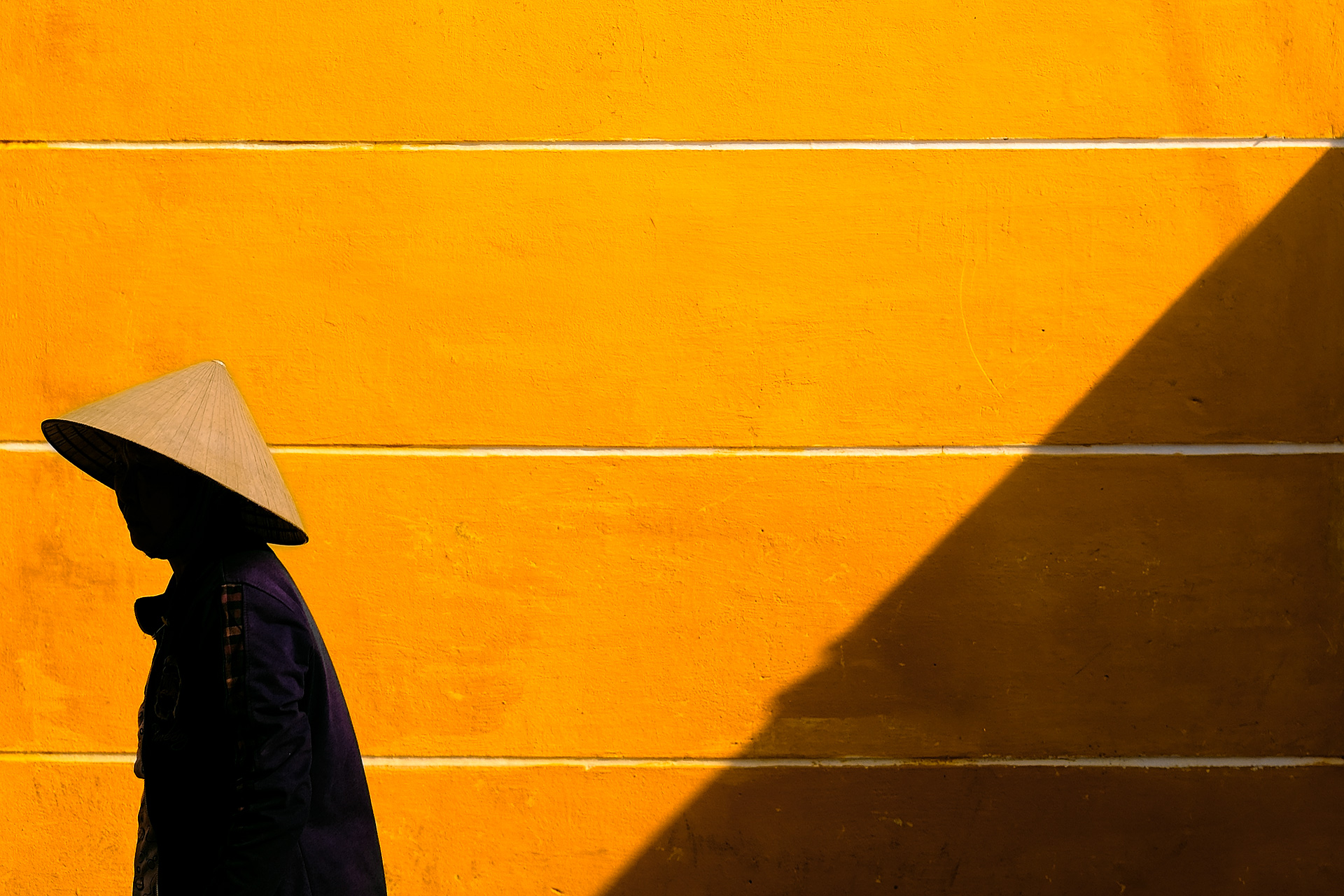
I don’t really have any all time favourite photos, but there is one that resonates with me. I’ve been focused on geometric patterns and shapes a lot when I’m travelling especially in places like Vietnam with the conical hats. I took this image in Hoi An Ancient Town on a sunny morning with the X100S. I waited patiently for about 10 minutes after finding my backdrop (the yellow wall) with a triangle shadow falling into part of the frame. The electronic viewfinder allowed me to position myself to compose the image, all I had to do was wait for someone to pass by to finish the shot. It’s a pretty surreal feeling watching your images unfold in real time right before your eyes – The X system rocks for this!

question-4-image

Fujifilm X100S – 23mm – F4 – 1/2000 second – ISO 400


How did you get into writing for publications such as Australian Geographic, Outdoor Magazine, Australian Photography Magazine and UK Digital Photography Magazine?


I was never really interested in writing, however since taking up photography and looking for other ways to generate income I fell into being commissioned for assignments that involved writing articles. I found out very quickly that it’s not what you know, but who you know in this competitive industry.

vivid2016-0886

Fujifilm X100S – 23mm – F2 – 1/180 second – ISO 400


If you have some advice for someone starting out in photography what would it be?


Just get out there and shoot! It is not about becoming famous or having all the gear available on the market. It is about enjoying yourself and finding your own style. Shoot what you like shooting, and avoid copying the work of others with the belief that it will make you a ‘better’ photographer. It’s totally fine to follow other photographer’s work, that’s how you find inspiration, but don’t compare yourself to other people’s success. Make your own success. Most importantly, save your money for a flight somewhere, not camera gear. Memories are worth more, and great photos wait for no one.

hoian-0071-edit-edit

Fujifilm X100S – 23mm – F2 – 1/320 second – ISO 400


Recently you expanded your reviews to include the Fujifilm X-T2. In four sentences what do you like most about the camera and what do you think needs improving?


The discreet and compact size in a nice lightweight package offers me an abundance of photographic opportunities that I may have never imagined lugging around my bulkier DSLR system. Mirrorless is evolving so quickly and it’s an exciting time to be experimenting and using these nifty cameras to their full potential. There’s not much I can really fault the X-T2 on, however, I do wish the articulating screen folded back in on itself, similar to the articulating screen on the Canon 60D. Overall it’s a quality build and shoots impressive images.


How important to you is getting the photo right in camera first? Does the Fujifilm X Series system help you achieve this?


I’m a firm believer in nailing the shot in camera rather than relying on editing software to ‘save’ or manipulate what could have been achieved at the time of capture. The electronic viewfinder combined with Fujifilm’s dedicated dials has enabled me to master my shooting style and post-processing workflow. I find myself shooting jpeg a lot more since switching to Fujifilm. The jpeg files are beautifully rich in colour and contrast, which does not require much enhancement in post-processing. For me, that’s the biggest selling point for Fujifilm cameras. Less time in front of the computer and more time out doing what I love!

hoian-9636-edit

Fujifilm X100S – 23mm – F2 – 1/250 second – ISO 800


To see more of Drew’s work visit his website or follow him on his various social media accounts including; Facebook, Instagram, Twitter, 500px and Google+

Extreme sports with the FUJIFILM X-T2 and X-Pro2

dt_karl-kristian_butter_folgefonna_ph-daniel-tengs_dsf6547-2X-Photographer strip BLACK

Daniel Tengs

dt_self-portrait_daniel-tengsI am a Norwegian extreme sports photographer and a Fujifilm X-Photographer. I was lucky to get a call from Fujifilm in the beginning of 2016 regarding switching to Fujifilm. I got to try their gear and immediately fell in love.

I was curious of how the equipment would work for my use but as it turned out it worked great.

When I started the transition to Fujifilm, I brought my full frame setup with me just in case the Fujifilm system didn’t perform the way I needed it to. Lets just say that the full frame system quickly found a shelf in my office.


Small and lightweight:

One of the first and very important things I noticed when switching from full frame to the mirrorless system was weight. That is a considerable change and a massive advantage, when hiking, not only in the back country but also in ski resorts. When I am shooting in a resort for example, I usually ride snowboard with the camera in my hand, it goes without saying that I need a camera that is durable and can withstand rough treatment, and I really feel that has been the case with both the X-Pro2 and the X-T2.

dt_pk-hunder_field-productions_folgefonna_ph-daniel-tengs_-5887

I do most of my work in harsh conditions around the world, but Norway is usually the biggest challenge, with both snow and humid weather. It really puts the equipment to the test. I was struggling a bit, with my previous setup, with moisture in my lenses, and they would fog up when I was shooting in sunlight, but I have not had any problems with that after switching, which has been great for me. That is mostly thanks to the WR lenses that Fujifilm are producing.

08-sven-thorgren-bs-air-the-gathering-riksgrensen-daniel-tengs


Electronic Viewfinder (EVF)

Together with being lightweight, the EVF is a huge change when switching from a standard full frame camera to a mirrorless camera. It took me two days to fully adjust, but once I did, I have never looked back.

On sunny days up the mountains with snow all around, using the screen to check focus, details, or just look at your picture used to be a big challenge because of all the ambient light. But now I just look though the EVF, browse my photos, check details, sharpness exposure, just to name a few, and all that without ambient light spilling on to the screen.

dt_len-joergensen_rk1-shoot_hovden_ph-daniel-tengs_dsf8203

The EVF also gives you a live exposure, which means that you see the final result with the settings you have chosen on the camera. That has made me a better photographer. I don’t shoot over or underexposed files any more. When a cloud covers the sun for only a brief second I am adjusting to get the perfect exposure, because I can see the smallest change. That is also a serious advantage when working with snow, which can so easy be over exposed.

Sometimes I shoot sequences. I do that to show a trick, or a big jump. When you are shooting a high-speed trick you need a quick shutter. That is exactly what the X-T2 has to offer. When you use the camera without the grip it produces 8 fps, but when you put the grip on, and turn on the boost button, you get 14 fps. Which is ridiculously fast!

dt_staale-sandbech_aleksander-ostreng-and-len-jorgensen_sequence_dsf1433

dt_aleksander-aurdal_rodeo-540_folgefonna_ph-daniel-tengsifil1813


Favorite lenses

In my line of work I sometimes just put one or two lenses in my jacket pocket and ride with the camera in my hand. That is why I am very dependent of flexible zoom lengths. So the three mostly used camera lenses I have are the XF50-140mm, XF16-55mm and the XF10-24mm. Those three I rely on with most of my field shooting but I do love to play around with prime lenses and I do it more and more. I just love the XF35mm for portraits and lifestyle. I bring it with me everywhere I travel.

dt_jesper-tja%c2%a8der_portrait__ph-daniel-tengs__dsf1893_


Feeling

You know, when you are holding a Fujifilm camera. You just want to go out and play with it. I could definitely recognize that when I picked up my first Fujifilm – the X-T1. I fell in love with the way Fujifilm makes their cameras. Shutter, ISO, Aperture, all on the outside. It is the feeling of crafting a picture with you own hands, and it looks beautiful.

I am really looking forward to a full season of shooting with both the X-Pro2 and the X-T2.  And the old bulky and heavy full frame setup is out for sale.

I am not saying that you have to go and buy a Fujifilm camera, but I can strongly recommend everyone considering a new camera to have a serious look at the Fujifilm X-series.

To see more of Daniel’s work, please visit: www.tengsphoto.com


Why I switched BACK to the Fujifilm system

dscf1577

guest-blogger-strip-black

By Scott Johnson

I first dabbled with Fujifilm WAY back in 2003 while working on a cruise ship.  In an all-film world, we were the first team to go digital with the Fujifilm S2 Pro, and I was really impressed with the quality, so much so, that when I started shooting weddings, I brought an S3 and for the first few years, this was the main camera I used at all of my weddings, but then I went full-frame and moved over to Nikon, and stayed there until the spring of 2016, and the arrival of the X-Pro2.

I’d been lugging around my D4s’ and a handful of prime lenses at weddings for a few years, and it was doing my back no good at all, but it wasn’t until I booked a wedding in the United States that I looked at changing my equipment. “Why change your entire wedding set-up mid way through a season for just one wedding” I hear you shout.  Well, the Read More

How to capture an atmospheric Autumn

20151012_clumber_0119-edit-2

X-Photographer strip BLACK

By Chris Upton

Halloween, the time of ghosts, ghouls and bewitching conditions to create wonderful atmospheric autumnal images!

After a few summer months of long, warm days, harsh light and of course some rain (I am in the UK!) we are longing for misty mornings, low raking light and sunrise and sunset at sensible times of day. For many photographers, especially landscapers, autumn is simply the best time of the year.

So how do we make the most of these opportunities and capture some stunning images?

20160325_notts_0091

THE WEATHER

Well it all starts with the planning and we’ll begin with the weather. Keep an eye on the forecast and if you’re looking for a misty start ideally you need cool temperatures after a period of wet, mild weather with little or no wind. Check the sunrise time and be prepared to be on location at least 30 mins prior. When the sun pops up it starts to warm up the landscape and gradually burns off the mist. Depending upon the amount of mist it may take a while to clear so you may have an hour or more to capture your shots.

20150906_slovenia_0125-edit-edit

I use BBC Weather, Met Office and WeatherPro apps to check the forecast though it’s not foolproof and the conditions might not turn out as you were hoping for. In those circumstances it’s important to keep a positive view and think about the things you can shoot.

This was the case recently when I went down to the River Trent for what I hoped would be a misty sunrise. When I arrived it was thick mist and even when the sun came up it didn’t burn off. Walking along the bank I noticed the leaf, grass and reed details and decided to shoot some high key images. So although I didn’t get what I had expected I was pleasantly surprised by the results.

Whilst strong sunlight is best early and late, during the day bright overcast conditions with its soft lighting will enable you to capture the beautiful autumn colours without harsh shadows and excessive contrast. Take care to avoid large areas of bland blue or grey sky which add nothing to the image.

In certain circumstances the weather can be especially challenging. However “every cloud ….…” The fact is that “bad weather” can provide you with great opportunities to capture some unique shots as many photographers don’t venture out in inclement conditions. The benefit of much of the Fujifilm equipment is that it’s weather sealed (check yours) so as long as you can keep the front element dry you’re good to go! It’s a good idea to have an umbrella handy, though the ability to grow another hand would be extremely useful too! I recommend the Gustbuster umbrella which is large, robust and is tested to withstand winds of 55mph.

These next few shots were taken on an extremely challenging day in the Lake District. It was pouring with rain, visibility was poor and light levels were low. Despite sheltering under a large umbrella that flipped inside out twice (hence the Gustbuster purchase) it felt like a contest between me and the elements and I was determined to get some pictures.

20151111_lakes_0839-edit

This shot was also taken in pouring rain. The soft, diffused light and low contrast really suited a long exposure and providing you meter carefully to retain detail in the highlights you can get super images in these conditions.

20160423_cinque_1223-edit

EARLY & LATE

Usually the best times to shoot atmospheric landscapes is at the beginning and end of the day, that magical period when the sun is rising or setting but is still below the horizon giving a soft, warm light.

Mornings take more effort and you have to walk to your location in the dark but there are fewer people around and there is something special about witnessing the start of a new day especially when the conditions are just right. Plan to be at your location at least 45 minutes before sunrise. If you want to get a starburst effect as the sun pops over the horizon shoot at f16 or f22 but make sure your front element or filters are clean!

For sunset ensure you stay until at least 30 minutes after the sun has gone down because that’s the time when the sky is backlit with, hopefully, an amazing display of colour.

20160911_tallinn_0888-edit

20160930_nottm_0026-edit

Another benefit of shooting early or late is that usually the wind drops at these times enabling you to capture lovely reflections.

20151031_notts_0117-edit

The blue hour is a great time for city shots but don’t stop then because city streets late at night can provide many other opportunities especially when it’s wet and the pavements reflect the vibrant artificial lights. Try converting to black and white to give a colder, more intimidating feel to the image.

LOCATION, LOCATION

Great autumn shots can be had all around the country in local parks, woods and by the rivers. However, in the UK, there are a few stunning locations such as Perthshire, Lake District, Thorp Perrow N. Yorks, Peak District, Clumber Park, Westonbirt Arboretum, Ashridge forest, and Stowe.

Rivers, canals, lakes and marshes all offer great potential for atmospheric misty shots. Look for some added interest like boats, jetties or rocks to aid your composition.

20161010_trent_0023-edit

Fields heavy with morning dew also produce mist. Add backlit trees and you have the recipe for some stunning pictures. Think about your viewpoint, try and find an elevated view so that you are above the mist.

Other great places for spooky, ethereal shots are graveyards!

Here are a couple of images I took in Edinburgh using the multiple exposure feature on my X-T1. When you set the drive dial to ME you shoot the first image as normal and the screen will then show you the image and ask if you are happy with it. If you are you get a faint overlay of your original image to help you superimpose with the second. Take that shot and your combined image shows on your screen. However if you’re not happy with the second shot you can delete that one, keeping the first, and then reshoot.

In these shots I took one image of the row of grave stones then the second shot was a close up of the inscription from one of the stones. If you’ve not tried this give it a go you can get some great effects!

20140805_edinburgh_0145-edit

20140805_edinburgh_0147

Why not also try the Advanced Modes for achieving some creative pictures? Many photographers bypass these but I would urge you to give them a try, the high key or soft focus mode are especially good for misty shots.

Of course the colour at this time of year can be amazing and forests and woods can provide countless opportunities with shafts of early morning light streaming through the trees illuminating the forest floor or feathering the light across branches laden with morning dew. Keep to the edges of the woods to get the best effects.

EQUIPMENT

The choice of lens can also have a dramatic effect on your image. I find that this time of year is ideal for using a longer lens which I use to compress perspective or isolate detail. Perfect for enhancing a misty scene adding drama and intrigue to your shot.

As the light is low at this time of year or day ensure that you use your lens hood to cut out any unwanted flare and again make sure your lens and filters are spotless.

_dsf1641-edit-2

20150906_slovenia_0087-edit

You will be amazed at the difference a Polarising filter makes to your autumn pictures, reducing glare and increasing colour saturation. A circular polariser allows you to fine tune the effect but take care not to overdo it especially if you have blue skies in your picture.

Other filters that are useful are Neutral Density filters in 3, 6 or 10 stops to extend the exposure time and 2 and 3 stop Neutral Density Graduated filters to control the dynamic range in your picture, usually darkening the sky or areas of water.

20151101_notts_0333-edit-edit

TECHNIQUE

In order to achieve the best quality files I prefer to shoot at low ISO (usually 200) and for a landscape will select f8 or f11 unless I want to intentionally reduce the depth of field.

Depth of field (the area of the picture that is acceptably sharp in front and behind the point of focus) is determined by focal length, aperture and focus point.

With a small aperture eg f11 and a wide angle lens eg 14mm focusing at 1m everything will be sharp from 47cm to infinity. There are various DOF apps you can use on your smartphone to ensure accuracy. Alternatively you can simply focus ⅓ into the scene and check your EVF, zooming in to assess sharpness.

Using the AF joystick on the X-Pro2 and X-T2 makes focus point selection a breeze and it’s another favourite feature of mine. Trying to use AF in mist is challenging to most cameras so I recommend switching to Manual focus. There are several different manual focus aids on Fuji cameras, I prefer focus peaking and set my highlights to Red, white highlights in mist might prove a little tricky!

Low ISO and small apertures usually mean a longish shutter speed which makes a tripod an essential part of my kit. But there are many other benefits to using a tripod not least that it slows you down so that you can search the frame carefully and fine tune your composition. Using Neutral Density Graduated filters is also much easier when your camera is tripod mounted. That said there are many people who prefer the freedom of shooting handheld and are happy to use wider apertures or higher ISO’s. There really is no right or wrong as long as you capture the image you’re looking for.

Although I have a cable release I prefer to use the 2 second timer unless I am using B (Bulb mode) for long exposures or want to capture a specific point in time ie waves.

For metering I will use Evaluative or Spot depending on the subject and the style I am looking for. Be aware that mist will fool your camera into underexposing resulting in dull, grey images. You will need to use your exposure compensation to increase the exposure by by around 1 stop though this may vary depending on the amount of mist in the shot. The live histogram on your camera will help you ensure the correct exposure, aim to expose more to the right without clipping the highlights.

One of my favourite features on the X-Pro2 and X-T2 is the front exposure compensation dial which you rotate to deliver up to 5 stops more or less exposure, once you have set the top dial to “C”.

20150926_france_1758-edit

20150920_france_2015-edit-edit

As I shoot in RAW I leave my White Balance set to Auto and then fine tune later in Lightroom if required. That said I find that my Fujifilm cameras deliver excellent white balance on auto. Just be aware that with mist your images may look a little cool. So if you are shooting JPEGS try Daylight setting or, if you want to really warm up those rich autumnal colours try Cloudy. Your Fuji camera may allow you to auto bracket the WB, you get three different settings from the same image!

Finally don’t forget to prepare yourself for your autumn shoot. It’s essential to be comfortable when standing around for long periods in the cold allowing you to concentrate on the images rather than trying to keep warm. Boots or wellies (with decent soles), down jacket, hat and gloves are essentials as are a flask and some energy bars. Oh and if you’re venturing out into the great outdoors on your own make sure you tell someone where you’re going. Most of the best locations have no mobile signal!

So I hope that this has given you some inspiration to wrap up, get out shooting and make the most of the best time of the year!

20160529_notts_0004-pano-edit

To see more of Chris’ work visit his website www.chrisuptonphotography.com