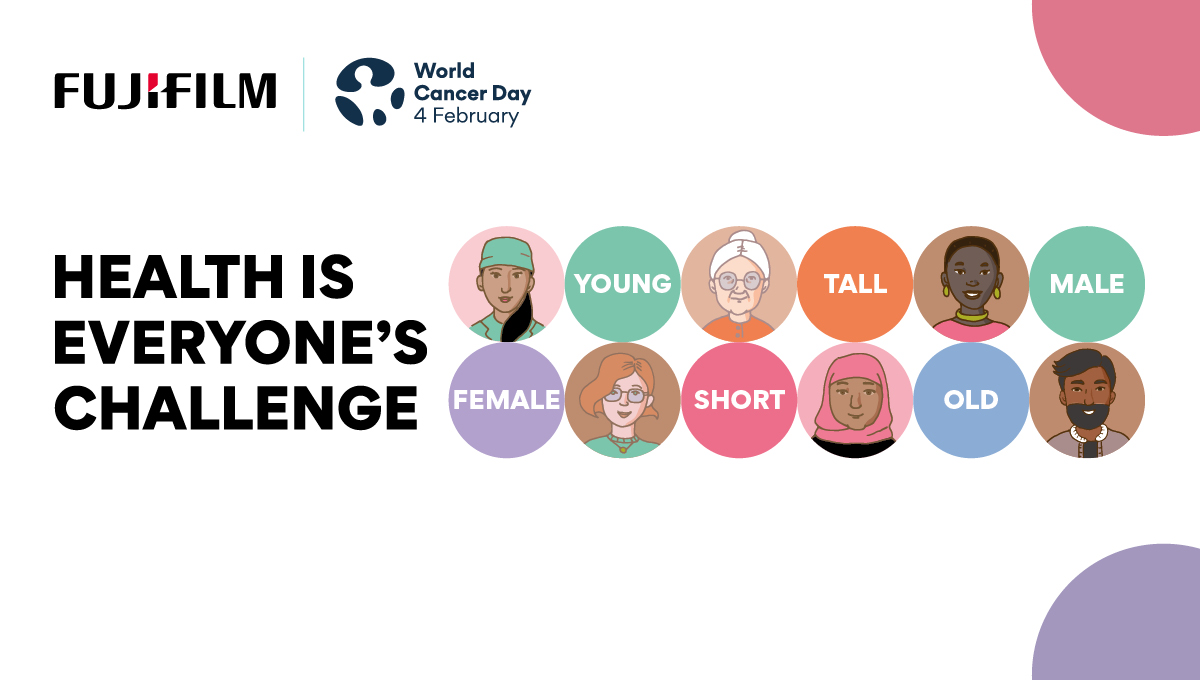
Each year, 10 million lives are claimed by cancer. It surpasses the combined toll of HIV/AIDS, malaria, and tuberculosis. And the number is projected to rise to an appalling 13 million deaths by 2030. This takes aback even more when considering that one-third of cancer cases can be prevented, and another third can be cured with early detection and proper treatment.
So, where is the loophole that lets cancer spread and gain strength despite all the awe-inspiring technological advancements and medical discoveries?
These numbers reflect a huge gap in cancer care that needs to be bridged. People who need cancer treatment face numerous barriers on their way. According to the WHO, less than 15% of low-income countries have access to comprehensive therapy, compared to over 90% of high-income ones. However, even in higher-income countries, inequities persist. Education, where you live, and discrimination based on various factors like ethnicity, race, gender, sexual orientation, age, disability, and lifestyle can all contribute to poorer access to care. The impact of this gap is widespread.
Breaking Down Barriers
The 4th of February marks World Cancer Day, and this year, it has also marked the final of the “Close the Care Gap” campaign led by the Union for International Cancer Control (UICC). World Cancer Day serves as a global rallying point that encourages communities, organizations, and individuals from all corners of the world to unite under one voice, addressing one of the greatest challenges in history.
From year to year, Fujifilm proudly supports the initiative. By raising awareness, promoting public and political literacy, dispelling myths, and changing behaviors, we strive to close the care gap and advocate for equal access to prevention, diagnosis, treatment, and care for all people, regardless of geography or socioeconomic background. Our commitment extends to investing in research and innovation, contributing to breakthroughs in medicine, diagnostics, and scientific knowledge.
We believe that everybody should have the same access to early detection tools, diagnostic facilities, and expert medical opinions. A patient’s geography or socioeconomic background should never determine the trajectory of their battle against cancer. To bridge this care gap, we need to stand together. Join us in the fight against cancer!


