In your early days as a photographer, you likely relied on your camera’s autofocus settings. There is nothing wrong with shooting that way. In fact, there are plenty of moments when even the most respected photographers utilise this mode, so there is no stigma for shooting in auto. There are some situations, though, when manual focus is most sensible.
Choose your focus wisely by knowing five moments when manual is ideal.
Locate fine detail in macro pics.
Macro photography — those shots of small objects at larger-than-life size — requires you to focus specifically on an intricate detail of a tiny object. In most cases, you will shoot with your narrowest depth of field in order to emphasise textures and distinguish your focal point. So even a slight error in focus makes your shot tell a different story. By shooting in manual, you retain control to communicate the details you want.

Image by @william_hartanto
Point to the pupils in portraits.
Portraits, like macro shots, call for focus at a highly specific point. You want the pupils of your subject to be in complete focus. With autofocus, you would prefocus your shot before finally framing and shooting, and in that time your subject could budge or blink. Manual focus allows you to locate the pupils and shoot in the instant you reach them.

Image by @timcubittphotography
Pick a tree or hilltop for your landscape images.
Landscape photos might seem like shots for auto because you likely do not shoot with a narrow depth of field. Even with these nature pictures, you can communicate a better story by identifying whatever tree limb or rock formation deserves viewers’ attention. Whereas some genres of photography require you to frame and shoot quickly, landscape work allows you to take your time and be methodical with your manual specificity.

Image by @adamatorres
Anticipate the action by focusing ahead.
Action photos are another sort that may seem, at first notion, more suited for auto. Objects are moving fast, so there is little time to adjust your settings. If you shoot action in auto, though, you can anticipate your frame by focusing on a particular point where your subject will pass through. Hit your shutter just as your object enters the frame.

Image by @russellordphoto
Travel through glass with fewer scratches and smears.
If you take photos from planes, museums and zoos, you may have to shoot from behind glass. Of course, that surface is often compromised by scratches and handprints, and it is also giving you reflections to worry about. Manual focus is much better for avoiding reflections and minimising the appearance of discrepancies on the glass.

Image by @alessandrobiggiphotography
Auto and manual both have their place in your repertoire as an artist. You can be strategic and confident that you know the moments for each focus.


 By Chris Weston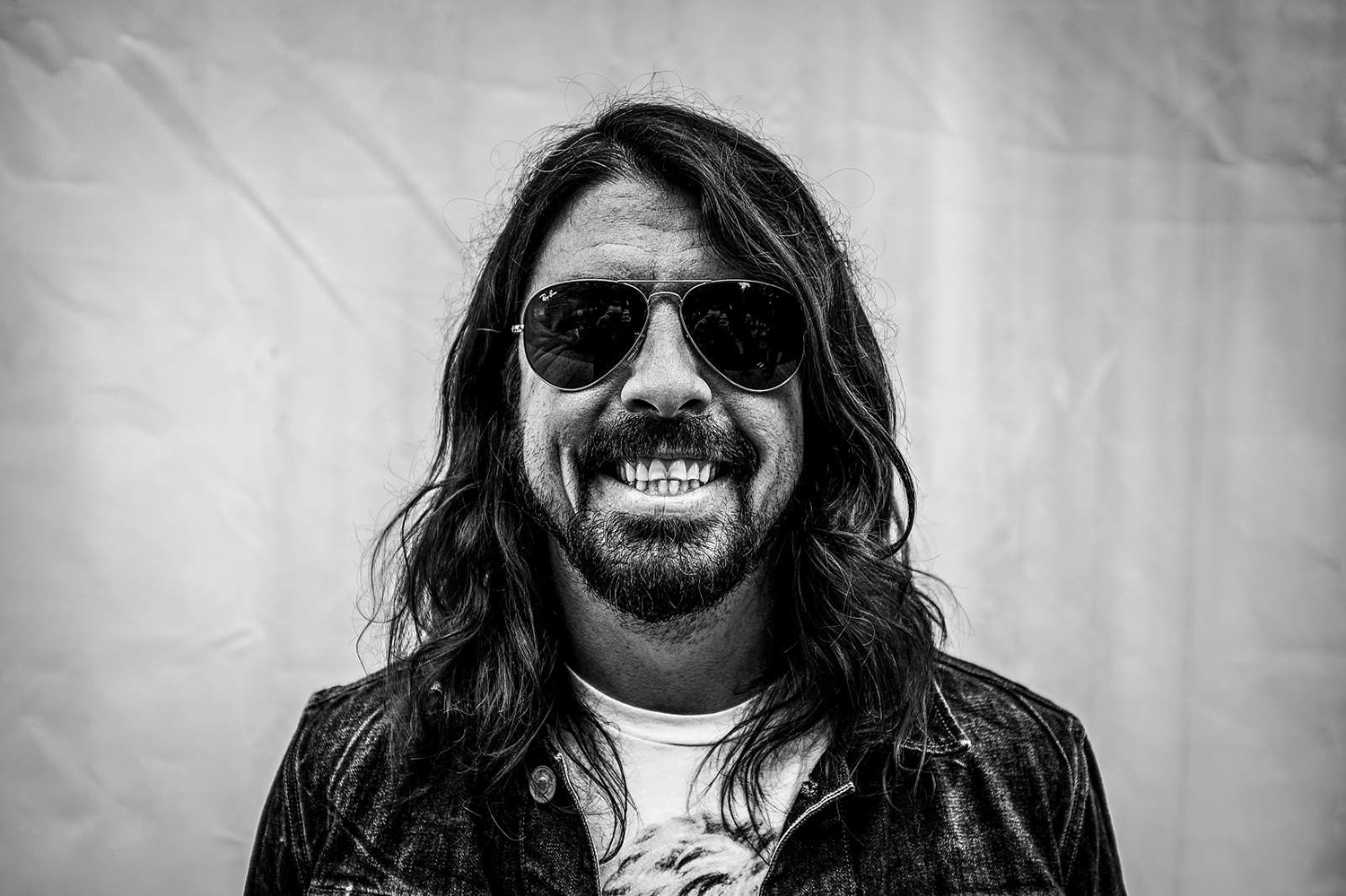


 Photographer Felix AAA has spent the past ten years touring the world with a variety of musicians, getting up close and personal with the artists to capture intimate, unseen, behind the scenes shots. In this article, he talks about some of his favourite images, and his experiences behind how he took them.


