Month: May 2017

Through a Photographer’s Eye: Rhys Tattersall

Welcome to the Second Series of Through a Photographer’s Eye. In this series, we continue to learn about Australian photographers and how they use X Series Cameras to photograph their world around them. Our first interview in Series Two is with Sydney based photographer, Rhys Tattersall.

Rhys, tell us about you and what you most like about photography and video?

I am 22 years old and currently working retail. What I like most about photography and video is it allows me to be creative, it’s a means of expression when I’m not at work or home, I love being able to tell a story through my work.

You recently visited Japan with the Fujifilm X-Pro2, XF56mmF1.2 and XF16-55mmF2.8, was the gear well suited for travelling?

What lens did mainly use for photography and how did the camera perform in the snow?

Yeah, it was a great trip, and the gear worked superbly! The overall weight of the X-Pro2 body with the two lenses was great. The gear was very light, and it easily fit into my camera bag, which made it easy to do full day trips, I was thankful I didn’t get a sore back. I had the XF16-55mmF2.8 on most of the time because it was a versatile focal length for video and those split decision moments for a photo opportunity. The weather sealed body and lenses acted perfectly when it was snowing and raining.

What are your impressions on Fujifilm as a brand compared to others you may have used previously?

Fujifilm is a great brand that makes affordable products of a high quality. Although, I feel with great products they offer they could advertise and reach out to customers a lot better than they are doing so. Their social media is growing which is a great sign, but I feel they aren’t doing everything they can be to show off the amazing products they have on hand.

What’s been the most engaged photo you captured using the Fujifilm X-Pro2? Can you tell us the story behind the image?

At this point, it would be the photo I took of my mate walking ahead of me in a snow storm at Nozawa Onsen. We were on our way back from town to our Ryokan (a traditional Japanese inn), and it was lightly snowing at the time of leaving the restaurant. A few minutes later, the snow began to come down sideways – there was lots of it! Adrian happened to be walking ahead of me, and I wanted to capture the snow falling, so I switched to manual focus and pulled it back until I saw the most snow in focus. I was using the XF16-55mmF2.8 and shot the photo at 1/250 shutter speed combined with an aperture of F2.8 at ISO 200.

If you have some advice for someone starting out in photography what would it be?

Don’t get caught up on the gear side of things. I learned using film and an old analogue camera. Photography being an art in a sense means there is no wrong way of doing things, only how you perceive it and portray it. Don’t be a copycat, find your own style.

We noticed you used the Fujifilm X-Pro2 to film a video in Tokyo. What video settings, pre and post processing, did you use to achieve the look?

The video settings I used were 1080p at 60fps (frames per second) which is Full HD. Although in saying that, when recording video, you want to make sure your shutter speed is close to as possible to double the fps (in this case, 60fps means I will want to keep my shutter speed at 1/120). Doing this will keep the video nice and smooth and allow for great slow motion in post. Post processing wise, I used Premiere Pro and edited with sequence settings at 24fps, which helped create smooth, realistic slow motion.

[youtube https://www.youtube.com/watch?v=OI_Uq3KCSa8&w=640&h=360%5D

Have you used the Fujifilm X-Pro2 at night? How did it perform and was there any noticeable noise or artefacts in the photos?

Yes, Particularly with fireworks in Nozawa Onsen and the street lights of Tokyo! The Fujifilm X-Pro2 was great, its low light capabilities were very surprising and showed little to no noise artefacts. I was able to still get photos at a decent shutter speed when hand holding in low light scenarios.

What improvements would you like to see on a future X Series camera?

That’s a hard one, as settings seem to differ in each model. I think if the Fujifilm X-Pro2 and the Fujifilm X-T2 had the same software it would enable the X-Pro2 specifically to become more versatile. I think we are coming into an age where it’s common to have so many features in one product, opposed to having many different products with roughly the same features. If Fujifilm allowed the software and some hardware components to be utilised across all X Series Cameras, I feel it would be a good improvement to a future model.

To view more of Rhys’s work visit his Instagram profile or subscribe to his YouTube channel.

Springtime at 50 megapixels

GFX 120mm F10 1/280 ISO400

By Ben Cherry

I first moved to the X Series four years ago because I was carrying too much equipment on trips and I wanted to switch to a smaller, lighter alternative. Now with X-T2s and the superb range of lenses available it is often difficult to decide what to take on assignments or trips, making sure it all fits in one backpack. But my kit is still smaller item for item than what it used to be before, its just a question of knowing exactly what you’ll need for each job (not always easy, particularly with nature photography). Read More

Through a Photographer’s Eye: 9 Photographers Share Their Advice

Over the last two and a half months, you would have seen a series of interviews which formed Series One of Through a Photographer’s Eye. In each interview, we heard from a handful of Australian photographers and how they use Fujifilm X Series cameras to photograph the world around them.

Before Series Two of Through a Photographer’s Eye begins next week, let us take a look back at what advice was shared when each photographer was asked the question:

If you have some advice for someone starting out in photography what would it be?


Drew Hopper

Just get out there and shoot! It is not about becoming famous or having all the gear available on the market. It is about enjoying yourself and finding your own style. Shoot what you like shooting, and avoid copying the work of others with the belief that it will make you a ‘better’ photographer. It’s totally fine to follow other photographer’s work, that’s how you find inspiration, but don’t compare yourself to other people’s success. Make your own success. Most importantly, save your money for a flight somewhere, not camera gear. Memories are worth more, and great photos wait for no one.

Fujifilm X100S – 23mm – F4 – 1/100 second – ISO 200


Alamby Leung

Social media is a great place for inspiration and to receive feedback, but developing your personal style and be creative with your ideas are important too.

Fujifilm X-Pro2 with XF18mmF2 R – 18mm – ISO 400 – F2.8 – 1/6000 second


Ian Tan

Advice for new photographers? Don’t get hung up on the gear. I go a bit nuts about gear myself but at the end of the day, they are just tools. You use the right one for the job, and everyone has their preference for which tools they like to use. Cameras and lenses from any major brand these days are all very capable – heck, even the iPhone takes awesome images – provided you use them properly. So learning how to use your chosen camera (and editing software) well to translate the creative vision that you see in your mind into beautiful images is more important than staying up to date with the latest and greatest gear.

Get out and shoot more. Learn to connect with others and draw inspiration from them, not intimidation. Having said that, I love Fujifilm, the way the cameras handle, the image quality, and the company’s philosophy in how they make cameras and support them through continuous firmware improvements (gotta love kaizen!).

Ice Patterns: X-T2, XF14mmF2.8 – ISO 500 – F4 – 1/125 second


Dale Rogers

If you are just starting out in photography, I recommend you follow and watch other photographers on social media especially those who are shooting similar things to yourself. By watching others, you see perspectives or ideas for shooting that you would not have thought of or you start analysing the images trying to determine how the shot was achieved.

Have a look at some of the old masters (or current masters) of photography and see their images. My inspiration for intimate landscapes came from Eliot Porter, one of the first professionals to use colour film, and Jai Maisel who currently shoots street photography in New York City. Have a look at their work and see if you can see the connection I made between them.

I also encourage photographers to try one of the 52-week challenges that exist. On our Photo Rangers Community Facebook page, we host a 52-week challenge. This is a personal challenge and not a contest or competitive event. The purpose is to get photographers creating photos and shooting subjects they would not have done otherwise. If you want to join along in this supportive community, come on over to http://facebook.com/groups/photorangerscommunity.

Fujifilm X-T10 – XF18mmF2 R – ISO 200 – F9 – 1/30 second

Josselin Cornou

Buy a camera with a fixed manual lens. In a day of automation, it is easy to go into the classic auto mode. It works really well in most cases, but this also means that the user will hardly learn any photographic concept. Having a limited focal length will help the user reframe the shot, avoiding any bad practices like constantly zooming. My first camera was a Panasonic GH2 + Voigtlander 25mmF0.95. That setup really helped me step up my game.

If you want to do landscape, then get an ultra wide angled lens. These lenses are expensive, but they will help you frame those ultra wide shots – making it totally worth it.

Fujifilm X100F – ISO 200 – F7.1 – 4.3 seconds

Anirban Chatterjee

Have fun and enjoy. You can be the most technically gifted photographer, but if you are not having fun or enjoying the process, your images will be boring.

And if you are starting to do photography on the street, please be respectful to others. In Australia, it is perfectly legal to do photography in public places, but that doesn’t give you a licence to be a nuisance. As much as we have the right to take photographs in public places, the other person also has a right to walk on the street minding their own business. We live in a community, and respect must be mutual. An image is not worth it if it ruins someone’s day. So please be respectful.

Fujifilm X-T1 – XF18-135mmF3.5-4.8 – ISO 6400 – F16 – 1/210 second


Harmeet Gabha

Don’t be scared, just do it (as the Nike ad says). There are so many free resources available online that you will be able to learn and pick up any area of photography very quickly and easily. Google is your best friend; just type in what you are looking for and you’ll find the answer within minutes.

I’m also focusing more on my blog (photoinsomnia.com), by creating content for people just starting out in photography. It’s a resource where they can learn some techniques quickly that will make them more confident and inspired.

“Casa Balto, Barcelona” – Fujifilm X-T1 – XF18-135mmF3.5-4.8 – ISO 400 – F3.5 – 1/180 second

Benjamin Lee

⁃ Shoot everything and as often as possible

⁃ Explore all types of photography, take note of the genre’s aesthetic of photography that really motivates you and hones in on it.

⁃ Consume and view as much photography and art as you are producing (if not more). This will really help you refine your taste and personal aesthetic.

Fujifilm X-Pro2 with XF16-55mmF2.8 R LM WR – 1/100 – F2.8 – ISO2500

Joe Jongue

Don’t be caught up in the gear, just go out and shoot. Don’t be afraid to step out of your comfort zone; chances are, you may be good in a particular genre than you may think. Join a local photography community, be open to advice and more importantly, interact with other photographers.

Fujifilm X-T1 with XF16-55mmF2.8 R LM WR – 1/180 – F4 – ISO200

Now Available: Which X Series Should I Buy – 3rd Edition

FUJIFILM Australia is proud to release the third instalment of the X Series Buying Guide. In this new 140-page magazine edition, you will find real world thoughts, sample images, side by side specifications and recommendations on the full range of XF Lenses, current X Series cameras and the newly announced FUJIFILM GFX 50S Medium Format camera.

If you are interested in the FUJIFILM range but don’t know where to start due to the overwhelming amount of equipment, then this ebook is for you.

To navigate to the download page visit the link here.

Shooting the Captivating Italian Lakes with the GFX

By Mark Bauer

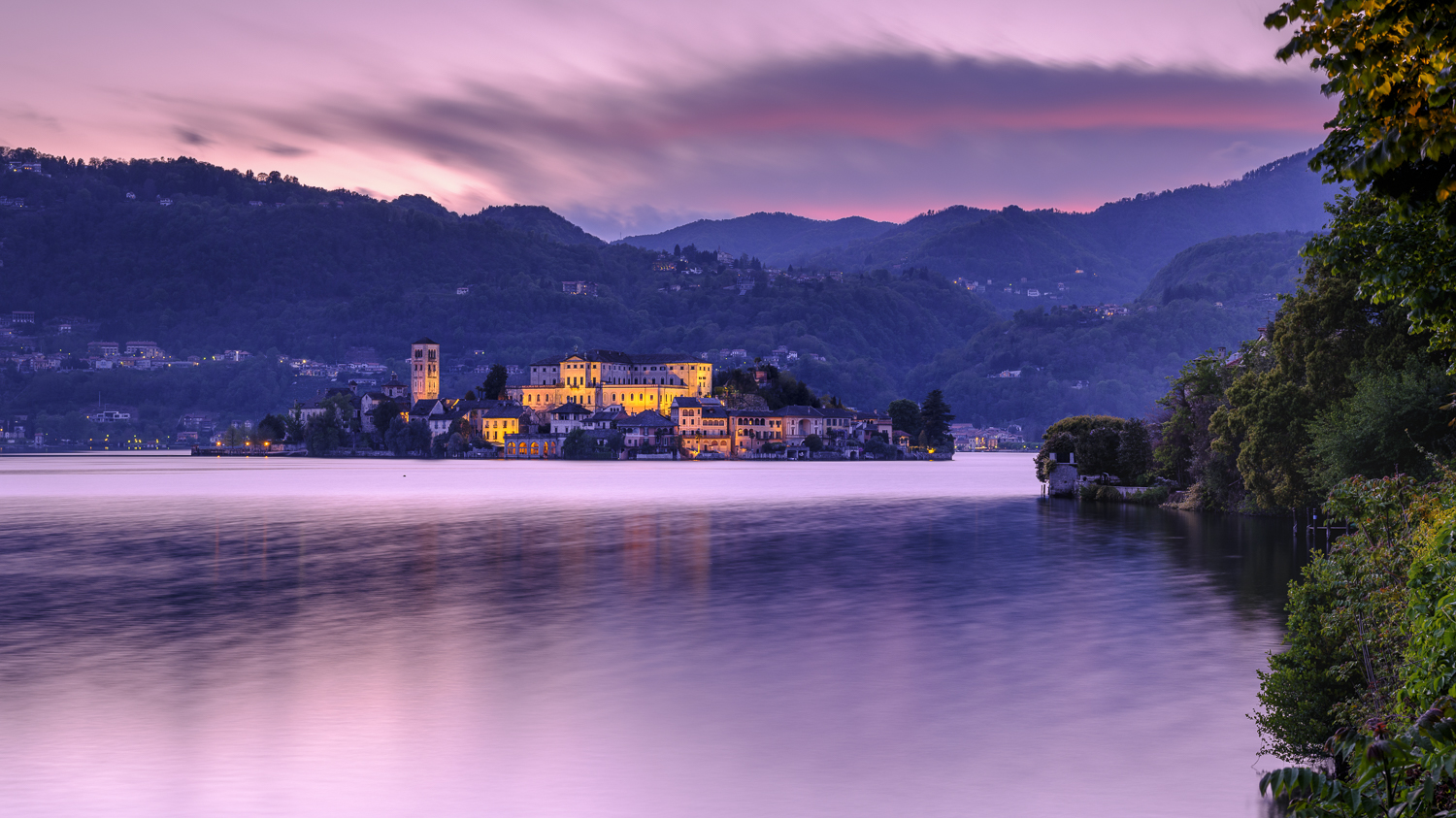
Landscape photographer, Mark Bauer lives near Dorset’s Jurassic coast, which is world renowned for being stunningly beautiful. This part of the country, as well as travelling with photography provides him with a constant source of inspiration. Mark recently visited the captivating Italian lakes. Armed with a FUJIFILM GFX 50S he captured some stunning images. In this blog he talks about his experience with medium format, and how the GFX was the perfect companion for his trip. Read More

Reasons to Shoot Monochromatic and Colour Photography

With the ease of publishing colour photography, both digitally and in print, monochromatic photos can seem like relics of the past. But there are moments when your shots are best served in black and white. The shapes and busyness of your composition might suggest it is time to break from colour and go monochromatic.


Look for a few reasons to make your next shot monochromatic.


Simplify composition and emphasise basics.

If the colour in your background and light sources is too busy, a monochromatic shot brings focus back to your subject. Your background elements still matter for the shot, but you need not worry about balance and blend of colours.

“Artillery” by Dennis Vogelsang, Fujifilm X-T1


Bring stark shapes to the forefront.

Images that utilise jarring shapes especially benefit greatly from monochromatic. Viewers’ eyes have less to look for when colour is removed, so more of their attention goes toward the geometry in your image.

“Brooklyn Bridge” by David Guest, Fujifilm X100S

Compensate for light sources with ugly hues.

You may have adequate lighting for your shot, but your light source is too warm or cool. If a lamp, fluorescent bulb or car headlight presents an unflattering hue, try the shot in black and white.

“A rainy night in Sydney” by Francis Gorrez, Fujifilm X-T10


Connote timelessness.

Because monochromatic photos were more common decades ago, we still associate them with history. Invoke timelessness in your shots today by going back to black and white. Portraits and cityscapes shot in monochromatic feel like they have a place in the photographic past.

“Look At Me! Lunchtime Rendezvous” by Justin Curtis, Fujifilm X100S


See faces in a new way.

People of all races and backgrounds can be photographed well in monochromatic, which diminishes blemishes and discolorations. Get a full range of black-and-white hues with a well-lit portrait.


Of course, not every moment is best served in black and white. Remember why your image might need a full spectrum of colour.

“Country Meets City” by Grant Ashford, Fujifilm X-Pro2


Show clarity between objects of similar value.

If your image includes items of different colours but similar values, like navy blue and green, then a colour photo may be necessary to distinguish the hues from one another.


Communicate the time of day.

From golden hour to blue hour, times of day come through when your outdoor photo is in full colour. Catch not only the angle of natural light but also its hue to set a more vivid scene.


Make fashion the focus.

When you take a portrait focused on a person’s fashion as much as his or her facial features, colour photography showcases the colour combinations of clothing and accessories.


Allow trees and birds to show their coats.

Most outdoor photography is best suited for colour. While monochromatic works for some waterbody shots, colour shows trees changing with the seasons and birds donning their kaleidoscope of feathers.


Establish your background as more than an afterthought.

Monochromatic photos bring the most attention to subjects and their shapes. But if you have an alluring background, that may not be your goal. Stick with colour if you want viewers to appreciate much more than your foreground.


Monochromatic and colour photos both have their place in your repertoire, and knowing the best uses for each will give you confidence as you shoot with intention.