I began as a professional photographer nearly fifty years ago, cutting my teeth during the 60s photographing the musicians of that era. Now I travel internationally, I carry around a large amount of professional equipment. Basically, two heavy bags of it. But for many years I have longed to have something that I could just hang around my neck, which would take professional pictures but was far lighter than my usual load.
I have bought and tried many smaller cameras, including Sony and Leica cameras, but what let these down was that the processing was nowhere near what I was used to with my professional cameras.
People had mentioned the X100T to me as a possible contender. I’ve been using one now for a few weeks and here’s what I think about it.
Colour
I really like the colour of the images. It really reminds me of what I loved about Fuji film which I used for forty years. Beautiful skin tones, strong reds, blues and greens. Fuji themselves told me the technicians who worked on the film cooperated with them on the software for the camera.
Sharpness
The sharpness and resolution is very sophisticated for such a small camera.
Size and weight
I love the weight of it, it’s a camera you can wear around your neck and forget it is there. It means you never miss any opportunities presented to you throughout the day.
Image format
I love the fact you can switch easily from a 3×2 regular format to a 16×9 panoramic format and a 1×1 square format.
Ease of use
It has a lot of really good functions on it, but for me not being very IT savvy, it look a little time to discover them as I didn’t have the full manual with me. Part of its charm is that it is outwardly simple, but very sophisticated.
Fun to use
It’s putting the fun back into taking pictures.
It can be a whole system
I miss taking street reportage which is how I started. But I have already heard of a photographer who did a whole wedding shoot using this small camera, probably by adding a tele and a wide lens conversions that is available – although I haven’t tried this … yet.
It’s a true travel camera
I tried the camera out during a recent trip to Dubai, Malaysia (to give a presentation at an Arts Festival) and on to Sarawak, Bornea where I held a photographic workshop. This was attended by 20 students from around the world. Based in Kuching which means cat in Malay, we traveled to the Kuba National Park where I got to experience monsoon rain which went through four layers of clothing, literally soaked to the skin in minutes.
I was pretty impressed how the camera dealt with low light. Two hours drive from Kuching, we visited Mongkos Village which is very close to the Indonesian border which is where I did the shot of one of the local villagers.
I was pretty impressed how the camera dealt with low light.
Initially I did feel that it was quite expensive. But now having used it for a couple of weeks and discovering what it can do, I think it is modestly placed. One review I read compares it with the Leica Q model which is three times the price. It is equally placed between a point and shoot camera and a more top end DSLR. Its already being endorsed by a lot of professionals calling it their constant companion and I can certainly see why!
Recently we teamed up with Amateur Photographer (AP) to create an experience day for 60 of their lucky readers.
While we were there we interviewed our three guest speakers and asked them all to tell own story as to how they made the switch to Fujifilm. Check out what made Damien Lovegrove, Matt Hart and Paul Sanders switch to the Fujifilm system, and also what has made them stay using it.
Damien Lovegrove
Portrait & lighting guru Damien Lovegrove talks about how he made the switch to the Fujifilm system and how using the smaller system helps him connect more with his subject. Can you guess which Fujifilm camera first caught his eye?
Street & event photographer Matt Hart tells his system switching story and praises the benefits of using the Fujifilm cameras; from the exposure previewing LCD screen, to the discrete ergonomics and quality of the final imagery.
Former Picture Editor of The Times Paul Sanders explains how DSLRs created a barrier between him and the landscape and how using the smaller Fujifilm system brought back his passion for shooting. Not only that, he also shares some excellent philosophy to shooting pictures.
The day itself was a perfect opportunity for Amateur Photographer readers to get hands-on with the Fujifilm X system and to learn from our very own Fujifilm X-Photographers. Throughout the day, multiple workshop sessions were held, allowing the experienced professionals to pass on their photographic tips & tricks covering long exposure landscapes, single light portraiture to the in-the-moment street photography.
To read more about the day, please visit AP’s website.
So who am I? Well, I’m a bearded English gent with an unhealthy obsession with photography and camera gear, amongst other things. This obsession started, like I’m sure it did for many other parents, with the birth of my daughter. Up until then the only camera in my possession was an ancient point & shoot with a broken mode dial, which resulted in every photo coming out about 2 stops overexposed.
With the due date rapidly approaching I mentioned my predicament to my dear old dad who kindly gave me his old Canon 300D. Within a couple of days I added to that a 50mm f/1.8 and a copy of “Understanding Exposure” by Bryan Peterson, which I devoured over a weekend. Shortly afterwards I was driving at high speed to the maternity ward, ready to witness the miracle/horror of childbirth, and to put my newfound skills to the test with some photos of my new daughter. To my surprise, I did a pretty good job (my wife also deserves a mention for her part, I suppose). From that point onwards I had an incredibly photogenic, fairly static subject to practice my photography with, and it all went from there.
These days my main passion is documenting my kids growing up, but I also do wedding and portrait photography, and earlier this year I tagged along on the Gumball 3000 rally – an epic, whirlwind journey following supercars across Europe and the US, starting in Stockholm and ending 6 days later in Las Vegas. An amazing (and tiring) experience that I was incredibly lucky to be a part of, one which I’ll never forget (at least what I can remember of it).
Oxford Wheels Project:
Oxford Wheels Project is a local charity run by a bunch of skate and BMX nuts, who after years of hard work and determination have built a rather impressive park in Meadow Lane, Oxford. On the 5th July they acted as hosts for the Globe skate team when they hit Oxford as part of their Globe EU Trippin’ tour. I’d heard that one of my heroes, Rodney Mullen, would be in attendance so myself and the kids headed off for an afternoon watching some of the finest skaters in the world, and the chance to meet a true legend of skating.
The story:
As I was there as a spectator with two kids to entertain I didn’t want to be burdened with my hefty DSLR and an array of lenses, so it seemed like the perfect opportunity to test out the X-T1 that Fuji UK had kindly loaned me. As chance would have it Fuji had released the version 4 firmware update for the camera a couple of days before, so I installed it, had a quick read of the new features and set off for the skate park with the X-T1, the XF35mm F1.4 R, two children and all the associated stuff that goes with them (snacks/bribes etc).
Up until that day I’d only ever used the X-T1 with a single focus point so I had no idea how well the new focus modes introduced with the firmware update would work. I set it to wide/tracking mode and set the aperture to f/1.4, to make sure I gave the camera a proper challenge. How well can a mirrorless camera with an electronic viewfinder cope with capturing sharp images of a lunatic on a skateboard flying in and out of the frame at a bazillion miles an hour, with the lens wide open? To my surprise, incredibly well. Faultlessly, in fact.
The X-T1 just nailed the shots, every time. With it set to fast continuous shooting mode I simply aimed the camera at the skater, let the tracking mode do it’s thing, panned and held down the shutter button. The result = perfectly sharp photos, with beautiful contrast and colours and a lovely shallow depth of field from the incredible (and tiny) 35mm lens, the focus system even managing to lock on to a skater suddenly coming into a wide frame, tracking him all the way across.
After a few hours witnessing some world-class skateboarding things started winding down so we picked up our gear and headed out of the skate park, where we came face to face with my hero, Rodney Mullen, who had been signing autographs and chatting with his fans for the last couple of hours. I just about managed to blurt out “I love you Rodney” and tell him that the kids had been enthralled by his videos on YouTube, but lost the ability to speak coherently after that and I’m not entirely sure what came out of my mouth. Rodney chatted to the kids, complimented my daughter on her tiara and kindly posed for a photo with them – a photo which, despite being incredibly badly framed due to my panic, will grace the wall of my house forever.
Thanks Fuji.
Wrap up:
To say I was impressed with the performance of the X-T1 that day is a massive understatement. To come away with so many great images from the X-T1 was, frankly, unexpected given the pace of the action I was shooting. Would the 5D Mark III’s autofocus system have done as good a job, and would I have got as many keepers? From my experience I’m not sure on either counts, and that thing is no slouch when it comes to autofocus and tracking.
Perhaps more importantly though, I wondered would I have even taken my 5D with me on that day? Probably not. It’s big & heavy and I needed to be able to comfortably carry a camera for several hours whilst keeping my 6 and 4 year old companions entertained. It also screams “I’m a photographer!” when I just wanted to be a part of the crowd, not getting in anyone’s way whilst still getting great images.
It was at that moment I realised I’d fallen more than a little bit in love with the X-T1 and the whole Fuji philosophy. It’s small, unobtrusive, with great handling and a sense of quality engineering, and above all else the images it creates are simply beautiful. I’m also hugely impressed by Fuji’s habit of tweaking and improving their cameras via firmware updates (something I had experienced with my old X100).
Since then the X-T1 has accompanied me pretty much everywhere – weddings, portrait assignments and family holidays (where I made use of the WIFI image transfer feature, editing and uploading my photos to social media without going anywhere near a computer) whilst my 5D and industrial-sized bag full of lenses sits at home more often than not. I think I’ve found my perfect camera system.
What’s next:
Photography-wise I’ve got a few weddings left before the season quietens down, and then I’ll be mainly concentrating on portrait sessions throughout the autumn. For more day to day stuff my son has started skateboarding lessons at Oxford Wheels Project, so I’m there most Sunday mornings and I’m hoping to get involved with them on future events. The place has a really welcoming atmosphere and is run by a very friendly bunch of people, who clearly work very hard in keeping the park running for the local community.
Please take a moment to check out the Oxford Wheels Project website (http://www.owp.org.uk) – they are a very worthwhile charity doing amazing things for the Oxford community. If you’re local I recommend you just head down there and see what it’s all about for yourself.
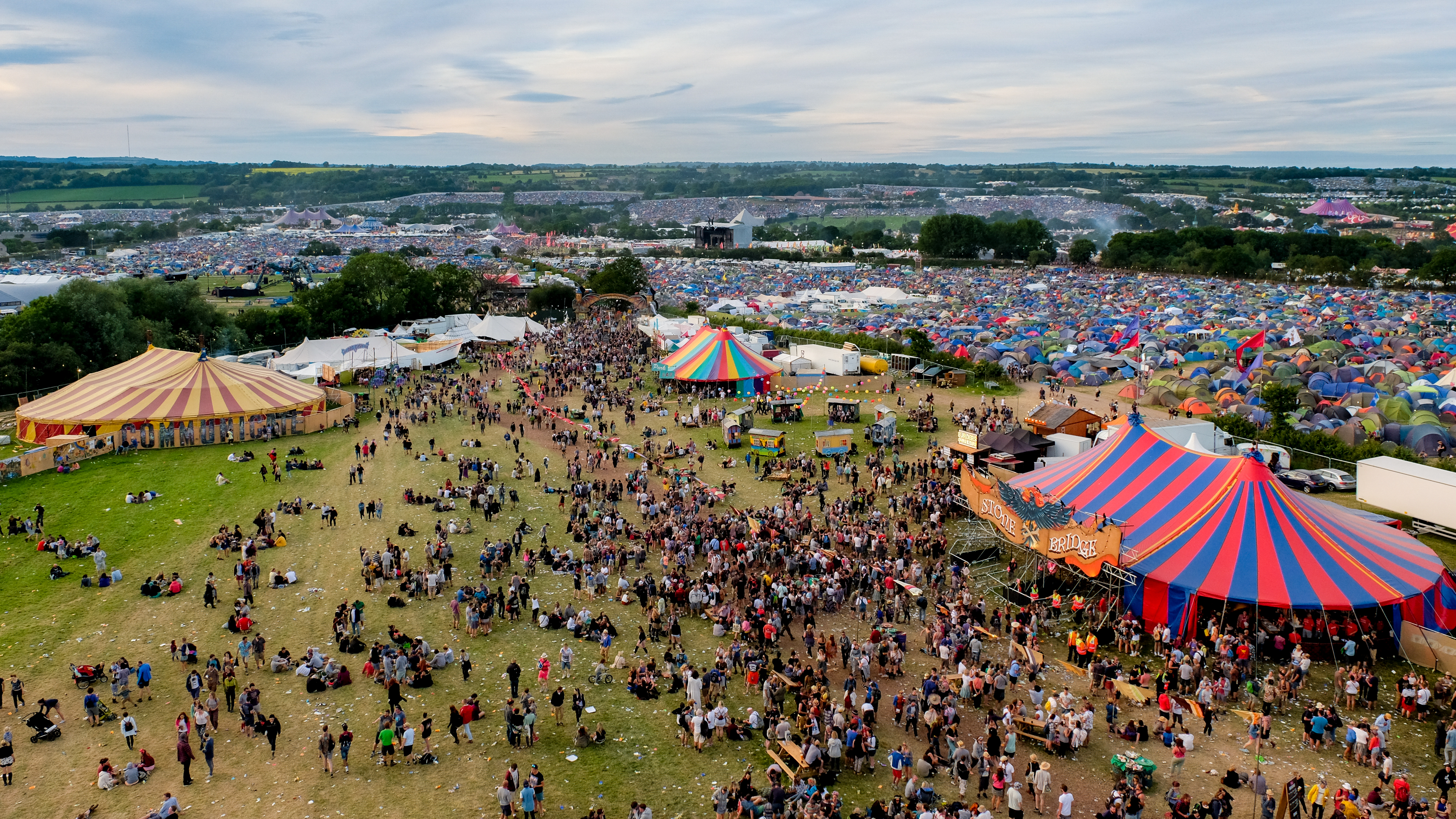
I went down with a crash. Almost immediately the mud started to seep through my trousers which were already soaked by the rain. I had cradled the two X-T1s in my arms as soon as I felt my feet sliding away from me. The rain had no affect on them, it just collected into droplets and ran off. The rain that fell on me however seemed to go into my bones. I sat up and looked around. I was surrounded by thousands of people all bent on having a good time – and succeeding. I looked down at the rain soaked cameras, it was then that I realised what I had become. How on earth did this happen?
I first became interested in photography at the age of 8 or 9. My parents bought me my first camera as a birthday present shortly afterwards. As my interest grew I went to the public library to learn about processing and printing. I managed to acquire a second hand enlarger, a developing tank, some dishes and had managed to blackout my bedroom by hanging all the clothes I possessed over the window. This was well before the days of central heating, and I had a wall mounted infra red heater that glowed red which I used as a makeshift safelight when printing. Surprisingly this rather makeshift approach worked and the experience of seeing a print gradually appear as it was gently rocked in the developing tray was magical. I still have that sense of wonder when I look at prints today. The technology is different but the magic of creating a record of a moment that makes up life’s experiences remains. It gets even better when I can create an image that goes beyond straightforward recording something and which connects with other peoples emotions from when they saw or experienced something similar. That’s the reason I love combining travel and photography. It creates so many privileged situations and I find it increases the possibility of creating the types of images I love.
I continued to dabble with photography into my 20’s but life gets busy and a career in Public Service refocused my priorities until much later in life. Now with that career behind me (and contrary to public belief Public Service can have high job satisfaction and be fun) I have reengaged with photography and am now building a second career.
Why Fuji?
Why indeed. To be honest it all came as a bit of a surprise to me as I considered myself to be a Canon shooter. I did buy an X100 when they first came out. I was seduced by the look and feel of it. The handling reminded me of and old Leica I used to own. I loved the simplicity, the clear controls and small size.
Unfortunately it did not work out for me. I found the focusing too slow and the camera stayed in a draw for a few years. In time the X100s was released but I was still not tempted. Eventually someone told me that Fuji had released updated firmware for the X100. It took me another few months before I downloaded it and gave it a try.
What a difference! It became the camera I thought I had bought in the first place. What impressed me more though was the fact that Fuji made the firmware available for the X100 rather than withholding it in order to get more people to to buy the X100s.
I thought that it was remarkable that a company would show such loyalty to its existing customers, especially in this day and age where incentives are only offered to new customers. I was so impressed with the improved handling that, when the X100t came out I bought one. I took it with me that same day when I took the dog out for a walk with the intention of trying it out. Nothing spectacular, just a nice shot of sheep and lambs in the sunshine on the Dorset coast with the sea as the background.
I was wondering if I could use the WiFi app to simplify my news workflow so, just to test things out, I used the Fuji app to put an image on my phone and from there uploaded it to the news agency. It was only when the license fee arrived some months later that I realised that the image had been published on the Telegraph Online website before I got home. I love the simplicity and size of this camera, and unsurprisingly, my Canon 5D large and heavy by comparison.
I had a trip to Spain coming up and I really wanted to reduce the weight of the gear I was carrying in the backpack, so I decided to buy the X-A2 with the kit zoom lens and the 10-24 f4 lens. Although there were clear limitations compared to using the 5D kit there were also wonderful benefits. It was not just the weight either, I was less “visible” as a photographer. I could hand hold at lower shutter speeds, the electronic screen was wonderful in dark environments, the lenses were sharp and significantly I found that I was using the Jpeg files with little or no tweaking rather than the RAW files which resulted in less time in front of a computer screen. The GPS tagging via the Fuji phone app helped enormously when it came to captions and keywords. Overall a considerable saving of time.
It’s a slippery slope. I went and tried out an X-T1 with the idea of trading in my 5D mk 2 but keeping the 5D mk3. The logic being that I would have a lightweight travel kit and shoot news stuff using either the X-A2 and the X-T1, or the Canon 5D mk 3 and the X-T1 depending on the circumstances. On trying the X-T1 out, I found I loved it as much as the X100T, and it has the same WiFi capacity. I also found out that Cactus make some speedlight triggers that will allow Fuji cameras to use canon speedlights using the Cactus transmitter to control the power of the flash. That was it then, I bought one and a 50-140 f2.8 lens. I was intending to use it and the Canon 5D mk 3 a couple of weeks later at the Glastonbury Festival where I was one of the team of accredited photographers. As I prepared the kit for the event I wondered if those nice people at Fuji would lend me another X-T1 and a couple of lenses so I could cover the festival using only the lighter Fuji gear. Well-they can only say no.
They said yes, which is how I came to be sitting in the mud in the company of 175,000 festival goers, countless volunteers, specialist staff, police, performers and somewhere on the site, that nice Mr Eavis. As I wiped the rain off the cameras and checked them for damage I realised I had become a “Fuji shooter”.
Well it all went rather well, which was pleasantly surprising considering that the X-T1s were a new camera to me. The firmware in the cameras was 3.11. I had been hoping that version 4.0 with the significantly improved focusing would be available by the time the festival began. Unfortunately it wasn’t. Despite that, the focusing on the X-T1 was better than I expected. In most conditions it worked well and was accurate. I struggled with it a little in low light though and it was too slow for some fast moving situations. Having said that, I changed my technique over the course of the festival and my results improved.
Shooting the Pyramid Stage at night was the most difficult environment because of the rapidly changing lighting and the continually moving musicians. I ended up using continuous focusing, with the pre focusing switched on and the drive set to continuous fast. I also ramped the ISO up more than I would normally do and stopped the 50-140mm lens down a bit rather than using it wide open. To keep the speed up I shot Jpegs. With this combination, the number of sharp images increased dramatically. Unfortunately so did the overall number of images shot resulting in taking considerably longer to edit them. Up until then I had been shooting Raw and Jpegs intending to use the Jpegs and have the RAW files for anything where the Jpegs were inadequate. It’s a credit to Fuji’s technology that, despite some challenging lighting conditions the Jpegs remained superb throughout. With exquisite bad timing I picked up an email as I walked out of the festival on the Monday morning saying that Fuji just released the significantly improved version 4 Firmware!
The camera’s handled well and sat in my hand nicely with most of the controls easily accessible. It was a bit tricky at first to change the focus point with the function buttons on the back, but that improved as I got used to the camera. Even so replacing the OK/Menu button with a joystick control that would perform both the OK/Menu control and move the focus point would be wonderful. Like all these things though, its about getting the right balance and I am aware that such a change may not be possible without compromising the size and style of the camera body.
Having the shutter speed, the ISO setting, the drive and the exposure compensation easily accessible via dials on the top of the camera was wonderful. Perhaps it was because I spent my early life using cameras with that sort of arrangement but I took to it immediately and it felt more natural that having to go through a menu system, especially with the ISO setting. This ease of access combined with the Electronic Viewfinder meant that I could accurately assess difficult lighting conditions and make the necessary exposure compensation without having to take a shot and play it back on the LCD to check the histogram.
The combination of one body with the 16-55 f2.8 and the other with the 50-140 f2.8 worked really well. Most of the images were created with these two lenses. It made working fast and easy. Given small size and low weight of the kit it also made swapping between cameras fast and easy. I don’t like changing lenses when I am working in this sort of environment as I have to work fast and upload news pictures soon after they are taken. Dust on the sensor slows down the processing stage enormously. When I did change lenses though, I did not get any dust problems, or if I did the built in sensor cleaning mechanism got rid of it. I don’t know if I was just lucky of if the design of the Fuji sensor made a difference but it was a refreshing change.
After a couple of days using the cameras, when I had got to the stage of not having to think about it I began to really enjoy them. The fun and experimentation of photography seemed to be coming back and I really enjoyed using the tilting LCD screen which made it easier to shoot from unusual angles. I also was not getting the aches and pains I was used to in these sort of environments. Given that I was on my feet and working from about 7:00 am to 1:30 am the next morning (with a short break sometime in the afternoon) I felt remarkably relaxed.
As I enjoyed this new found freedom it all went wrong..
I had found somewhere to sit and have a coffee. As I stood up I realised that I had lost a camera. As the knot in my stomach formed my mind tried to work out where I had been and where I could have left it. My pulse rate went up as I started to take straps belts and bags off so that I could find out if I had lost my camera or the one Fuji had loaned me. Neither, they were both still there. So what had I lost? I checked the other lenses, the Speedlight, the other accessories. They were all still there.
All that had happened was that I had got used to using the cameras and had forgotten about them. I had stood up, and being used to carrying two Canon 5Ds with L series lenses attached, the load I was carrying was so light that I thought I had lost a camera. This happened a few times over the subsequent days, that sudden feeling of panic followed by a feeling of relief, then foolishness.
One final thing worth mentioning is the viewfinder. Its fabulous.
One of the reasons I bought full frame cameras in the past was that I had used the C type sensors and was not impressed with the size of the image in the viewfinder. The X-T1 viewfinder with its magnification factor and “Full” mode is a joy to use. For me it was a game changer.
So in summary, as I said earlier, it all went rather well. In a couple of heavy downpours the cameras, the 16-55 f2.8 and the 50-140 f2.8 were unaffected, It seems that the weather resistance really does work. The X-T1 is a joy to use, handles well and is robust & light. The lenses are sharp and considering the max aperture, remarkably light. The combination of the 16-55 and 50-140 were used most of the time (although I must confess to having a soft spot for the 10-24mm). The focusing with the 3.11 firmware is not up to the speed of a DSLR but the version 4 firmware seems to be a considerable improvement.
Well I have just started the planning for a 6 week trip to India and its definitely the Fuji camera’s that will be coming with me. And, if you would like to see more of my work please visit me at:
I’ve been a massive fan of Canon since becoming a professional photographer around ten years ago. Photography is in my blood, passing down through family generations, and I currently shoot around 60 to 70 weddings a year in Staffordshire, Cheshire and throughout the UK.
I had been reading some excellent reviews about the new Fuji X-T1 cameras and lenses. Lightweight, portable, compact and an incredible (EVF) electronic viewfinder which enabled the user to see live changes including white balance, exposure and so on.
Fuji X-T1 | 23mm f1.4 – 1/640th @ f16 ISO 400
And yet, was I really ready to move from my trustworthy Canon 5D MKIII’s and 1DX to the lightweight Fuji X-T1?
I contacted Fuji regarding loan units but all the loan units were out with other photographers. So here’s the brave bit. I jumped straight in and traded-in my tried, tested and trustworthy Canon 1DX there and then for the new Fuji X-T1, together with the 56mm f1.2 and 23mm F1.4 lenses.
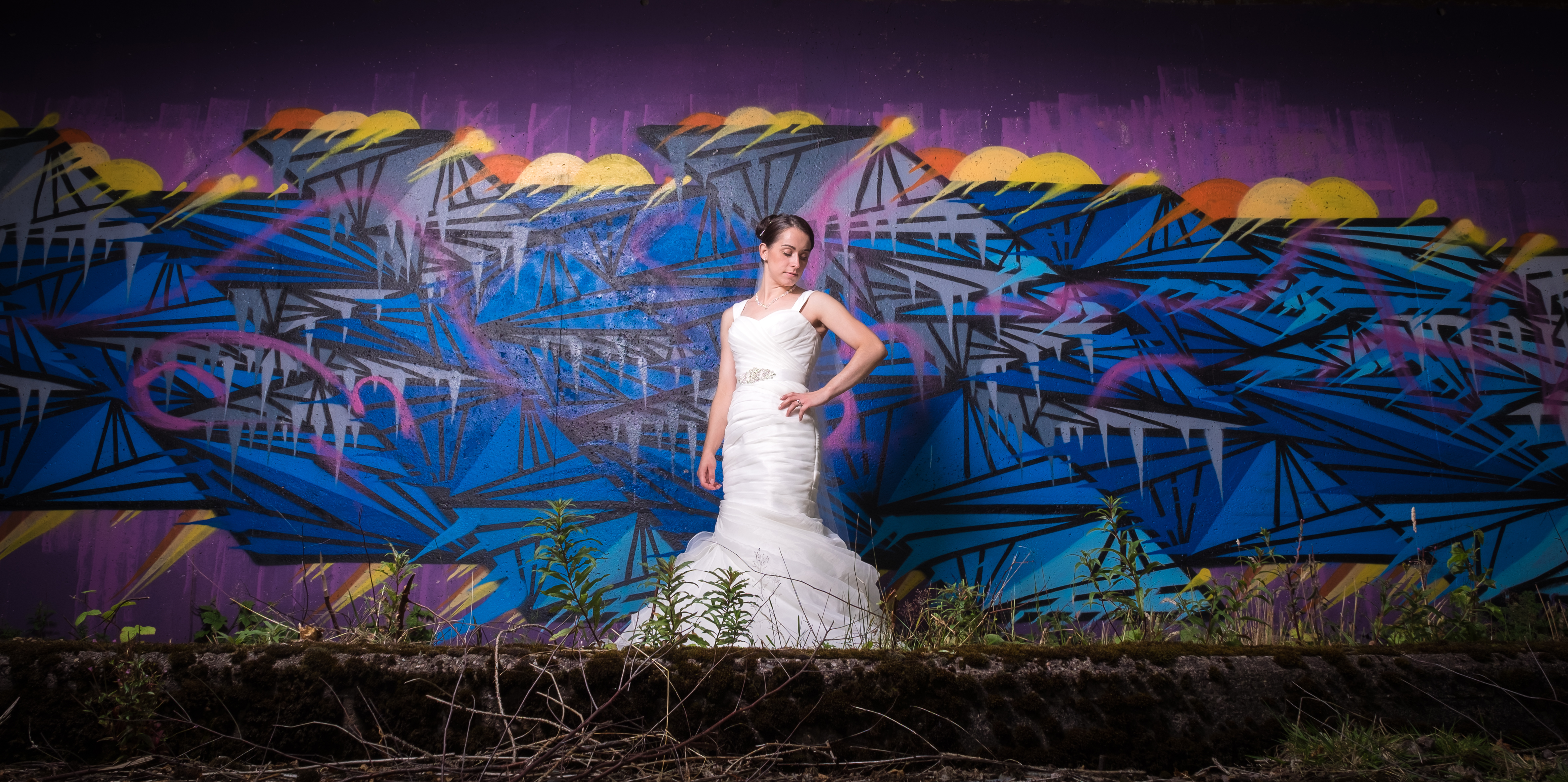
And the results? Incredible. Fuji had since then gone on to loan me an XF16-55 F2.8 and XF50-140 F2.8 lenses to use with the X-T1. Although I was apprehensive at first to use this new Fuji equipment at weddings, I eventually found myself over the past month or so using it more and more.
Here’s why I was so blown away with the results:
• The lightweight and compact Fuji X-T1 camera has revolutionised my working day – more portable, increased maneuverability, and less back-ache!
Fuji X-T1 | 56mm f1.2 – 1/4400th @f1.2 ISO200 (The first image out of the X-T1, natural light, no adjusts, image direct out of camera)
• The EVF is amazing – One massive advantage and top tip. When shooting manual focus or ‘back button focusing’ I get a split screen image in the EVF which contains a 100% preview of the focus point and a overall framed image. I am also able to adjust and see live results of exposure changes giving me a full knowledge of exactly what the finalised image will look like. In fact, I’ve found myself shooting fully manual most of the day as opposed to 60-80% Aperture priority on the Canon’s.
Fuji X-T1 | 23mm f1.4 – 1/80th @ f1.4 ISO 1600
• The nifty folding screen helps me to reach those awkward high-up shots and low-down shots much more easily, albeit reaching high above the bride during bridal preparation or shooting low, such as ground or water level.
Fuji X-T1 | 23mm f1.4 – 1/160th @ f1.4 ISO 800 (Read LCD screen used, camera raised into a light fitting)
• The 56mm F1.2 lens is amazing – it’s one of the sharpest lenses I have ever worked with.
Fuji X-T1 | 56mm f1.2 – 1/500th @ f1.2 ISO 400
• And the 50-140mm F2.8 lens is really good too, in fact, seriously good – the lens is pin sharp throughout the whole focal range.
• Amazing natural light images are captured, the colour warmth and depth to the images is stunning. If you process in Lightroom like myself I would strongly advise changing the ‘Camera Calibration Profile’ back to Fuji’s own profile as Lightroom as a tendency of applying ‘Adobe Standard’ to all imported images. The photographs seem to show a ‘film look’ using Fuji’s profile and can be a little bland when using Adobe Standard.
Fuji X-T1 | 23mm f1.4 – 1/30th @ f2.8 ISO 200
Any negatives? Not many. I need three or four batteries to get me through the day (bit more than usual). And, with only one SD card, I miss that automatic back-up throughout the day. Plus, the Fuji focus tracking falls a little short of Canon’s. And I still prefer to work with raw images, despite Fuji’s track-record on JPG quality.
Fuji X-T1 | 23mm f1.4 – 1/2500th @ f1.4 ISO 400
And finally, the million-dollar question..
Would I recommend the Fujifilm X-T1 and the above mentioned lenses to other wedding photographers?
Most definitely, yes. The 16-55 f2.8 is a direct competitor for the Canon 24-70 f2.8 and the 50-140 f2.8 for the Canon 70-200, pretty bold statements I know as these lenses have such a proven track record and any wedding photographer will tell you these are the ‘must have’ lenses.
My fellow Fuji Guy Dale recently got married. I went to the wedding and took my trusty “pocket-rocket” X30 and took some shots from the pews where I was sat. I was hardly shooting the wedding, but it still made for a fairly interesting series of shots as the story of the traditional British Christian wedding ceremony unfolded in front of me.
Like most of the images I take for personal use, they ended up in a gallery on my Facebook wall for friends to see. But I wanted to do something a little bit more. This is where Pop Book came in…
Now I know this sounds like your usual sales pitch but it really isn’t. I heard about Pop Books from my colleagues in our printing team. For the small fee of £4.99, I was able to take 21 of my favourite images and compile them into this little cute photobook to give to Dale and his new wife as a little gift and token of my gratitude for being invited to share their day.
How does it work?
I’m pretty sure that Pop Books are mostly aimed at smartphone photographers (nothing wrong with that!) because you can only create a Pop Book by using an App for Android or Apple devices.
Once you’ve installed the App you get started by tapping “Create your POP BOOK”. You then need to choose where to get your images from. You can either browse your device, or choose either Facebook or Instagram.
I chose Facebook, logged in as me, and then selected the images from my Facebook gallery. Once you have selected 21 images you can click “Create your POP BOOK” button again and this takes you to the final stage.
You can now double tap on any picture to Edit it. You can Crop, add an instagram-style filter and add text. You can also select either a white border of black border for each of your images
Finally you can change the order that the images will appear in.
And that’s it. Just create an account and go through the basket process, and “between 10-14 days” your Pop Book should be with you. In my case it was actually 4 days.
If you know you’re shooting for a Pop Book, set your camera to 1 : 1 ratio to help compose your shots and save any post process cropping.
You need exactly 21 images to make a Pop Book. No more. No less. Make sure you have your 21 images ready to go before you start the process as it makes it smoother. In my case, it turned out that I didn’t actually take 21 different images that I was happy with so I had to get creative with the crops to make a few very similar shots have very different final looks. It really helps to go into this thing knowing you need 21 images to start with!


 Recently we teamed up with
  Damien Lovegrove
 Matt Hart
 Paul Sanders



 I first became interested in photography at the age of 8 or 9. My parents bought me my first camera as a birthday present shortly afterwards. As my interest grew I went to the public library to learn about processing and printing. I managed to acquire a second hand enlarger, a developing tank, some dishes and had managed to blackout my bedroom by hanging all the clothes I possessed over the window. This was well before the days of central heating, and I had a wall mounted infra red heater that glowed red which I used as a makeshift safelight when printing. Surprisingly this rather makeshift approach worked and the experience of seeing a print gradually appear as it was gently rocked in the developing tray was magical. I still have that sense of wonder when I look at prints today. The technology is different but the magic of creating a record of a moment that makes up life’s experiences remains. It gets even better when I can create an image that goes beyond straightforward recording something and which connects with other peoples emotions from when they saw or experienced something similar. That’s the reason I love combining travel and photography. It creates so many privileged situations and I find it increases the possibility of creating the types of images I love.